
PCI DSS
Payment Card Industry Data Security Standard
SQNet Assessments, as an independent conformity assessment body, provides impartial PCI DSS assessment and validation services, helping organizations demonstrate compliance with industry-recognized security requirements and build trust with customers, payment brands, and stakeholders.
PCI DSS – Payment Card Industry Data Security Standard
The rapid growth of digital payments and card-based transactions has significantly increased the risk of payment card data breaches and fraud. To address these risks, the Payment Card Industry Data Security Standard (PCI DSS) was developed to ensure the secure handling of cardholder data. PCI DSS establishes a comprehensive set of technical and operational requirements designed to protect payment card information throughout its lifecycle.
Understanding PCI DSS
PCI DSS is a globally recognized security standard developed by the Payment Card Industry Security Standards Council (PCI SSC). It applies to all organizations that store, process, or transmit cardholder data, regardless of size or transaction volume.
The standard defines a baseline of security controls intended to protect cardholder data and reduce the risk of data compromise. PCI DSS applies across various environments, including merchants, service providers, payment processors, e-commerce platforms, and organizations supporting payment card transactions.
Purpose of PCI DSS Compliance
The primary objective of PCI DSS is to safeguard sensitive payment card information, including primary account numbers (PAN), cardholder names, expiration dates, and security codes. Compliance demonstrates that an organization has implemented appropriate controls to prevent unauthorized access, data theft, and misuse of cardholder data.
PCI DSS compliance is often a contractual requirement imposed by payment brands and acquiring banks. Independent validation of compliance provides confidence that security controls are properly designed and effectively implemented.
Apply for Certification
Connect with Our Certification Experts
Core Requirements of PCI DSS
PCI DSS is structured around a set of high-level security objectives and detailed requirements. Key areas addressed by the standard include:
Building and maintaining secure networks and systems
Protecting stored cardholder data
Encrypting transmission of cardholder data across open networks
Implementing strong access control measures
Monitoring and testing networks regularly
Maintaining an information security policy
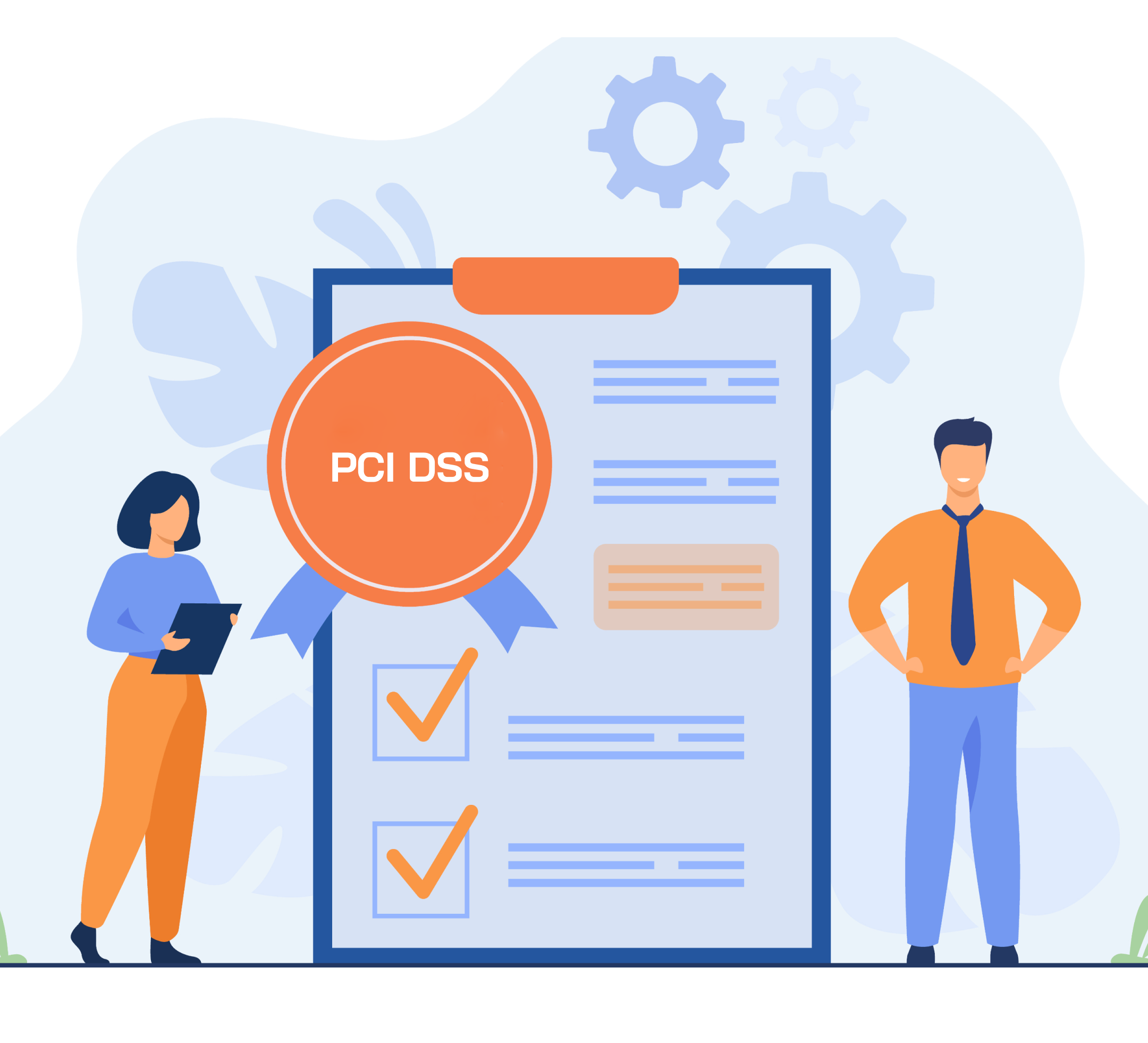
PCI DSS Assessment and Validation Process
The PCI DSS assessment process conducted by SQNet Assessments follows recognized assessment methodologies and emphasizes objectivity, consistency, and confidentiality.
Scope Definition and Assessment Planning
The process begins with defining the scope of the cardholder data environment (CDE). This includes identifying systems, networks, applications, and processes that store, process, or transmit cardholder data, as well as any connected components.

Assessment and Evaluation
Assessments evaluate the implementation and effectiveness of PCI DSS requirements through:
Review of policies, procedures, and technical controls
Interviews with responsible personnel
Observation of operational practices
Examination of system configurations and security settings
The assessment determines whether controls meet PCI DSS requirements and identifies any gaps or noncompliance issues.
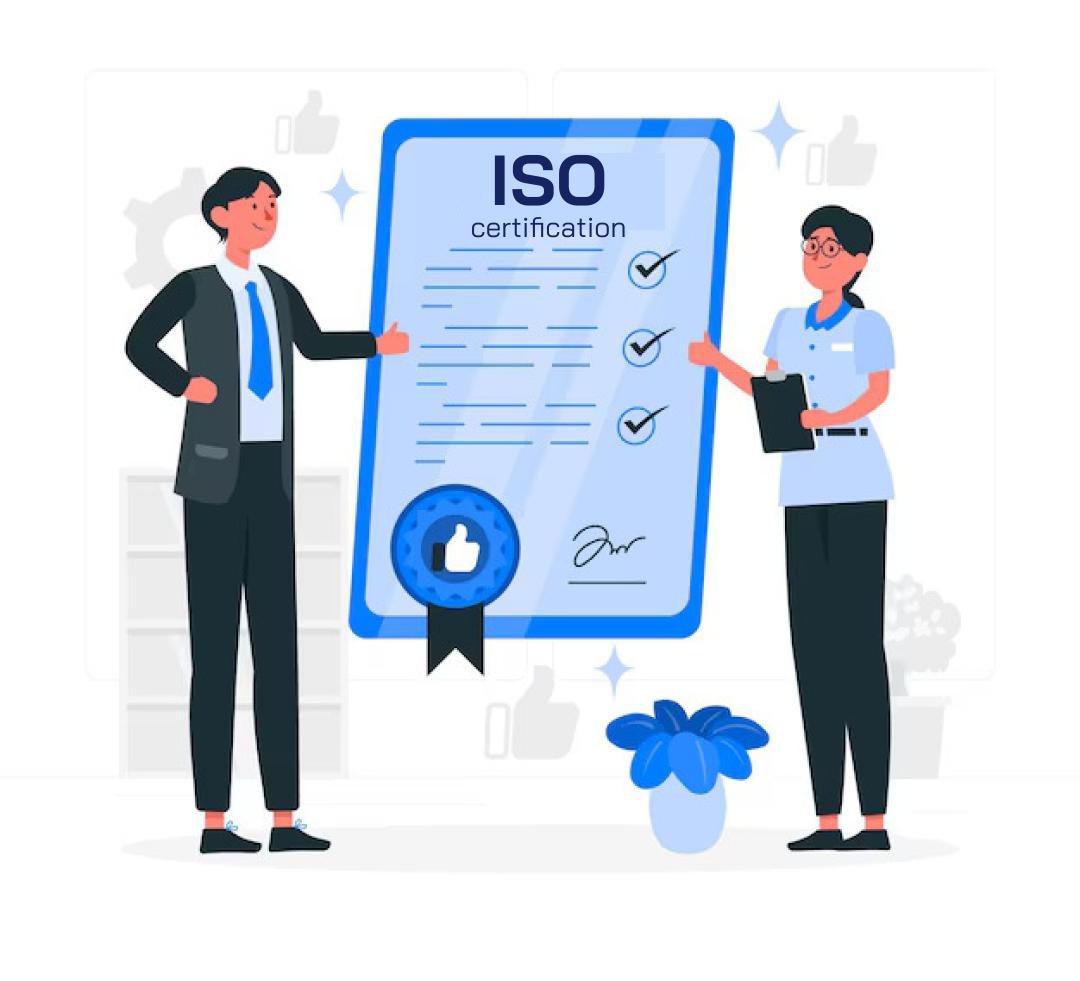
Reporting and Validation
Following the assessment, findings are documented in the appropriate compliance report, such as a Report on Compliance (RoC) or Attestation of Compliance (AoC), depending on the organization’s PCI classification and validation requirements.
Maintaining PCI DSS Compliance
PCI DSS compliance is not a one-time activity but an ongoing process. Organizations must continuously monitor and maintain security controls to address evolving threats and changes in their payment environments.
Regular risk assessments, vulnerability management, security testing, and awareness training are essential to maintaining compliance and reducing the likelihood of security incidents.
Relationship with Other Security Standards
PCI DSS aligns with and complements other information security and risk management standards, including:
ISO/IEC 27001 – Information Security Management Systems
ISO/IEC 27701 – Privacy Information Management
ISO/IEC 27017 and ISO/IEC 27018 – Cloud security and privacy controls
Organizations with established management systems can leverage existing controls to support PCI DSS compliance more effectively.
Key Benefits of PCI DSS
- Independent validation of payment card data security controls
- Reduced risk of cardholder data breaches and fraud
- Enhanced trust from customers, payment brands, and partners
- Support for contractual and regulatory obligations
- Improved security posture across payment environments
Key Changes in PCI DSS
- Alignment with the latest ISO management system structure
- Simplified and modernized Annex A controls
- Better integration with risk management and business objectives
- Enhanced focus on cloud security, threat intelligence, and data protection
Frequently Asked Questions
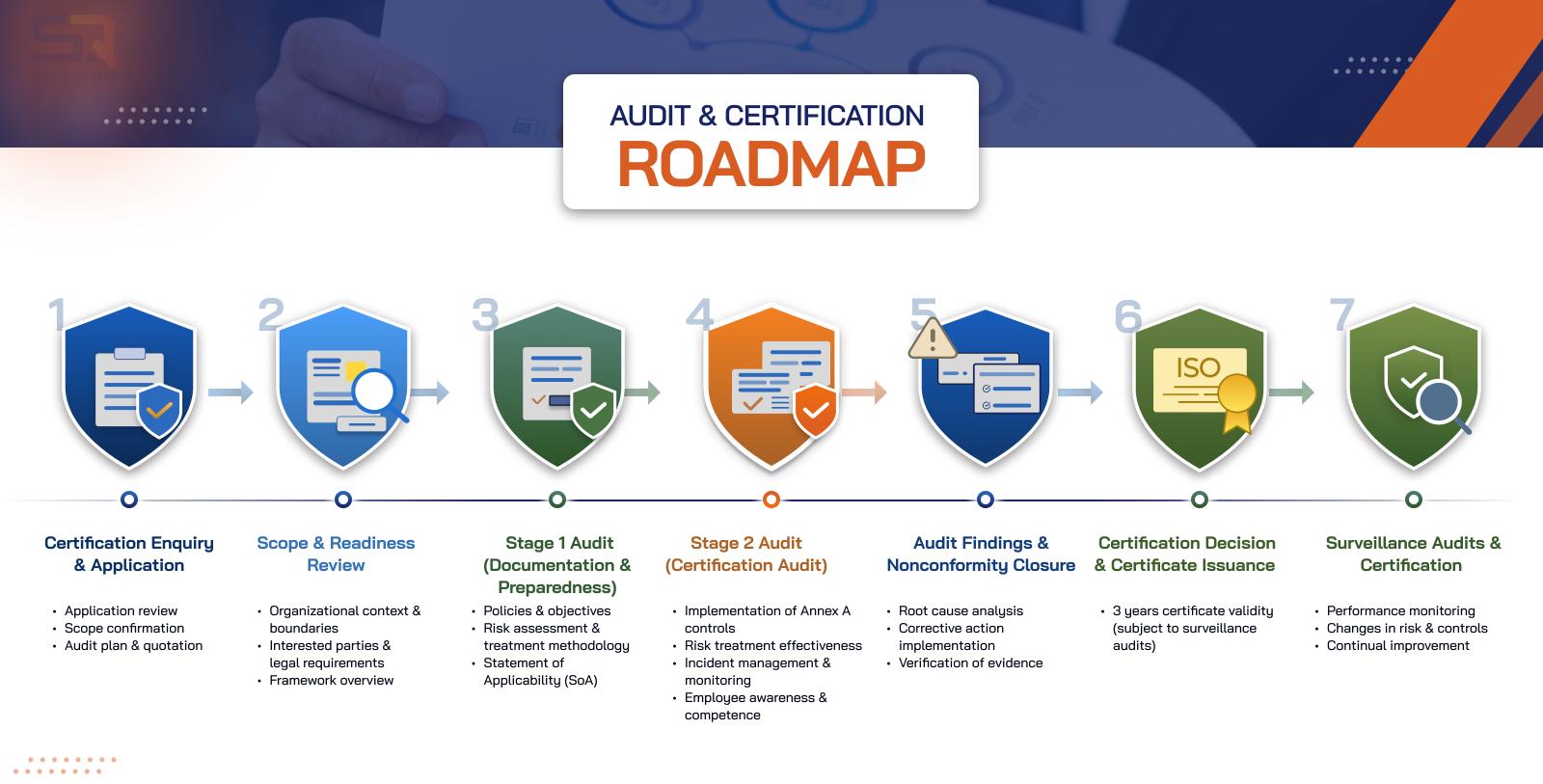
Certification is an independent verification process that confirms an organization’s management system, product, or service complies with applicable international standards. It enhances credibility, builds customer trust, and demonstrates commitment to quality, safety, and compliance.
Certification is applicable to organizations of all sizes and sectors, including manufacturing, service, IT, healthcare, construction, education, and public sector organizations, subject to the applicable standard and scope.
SQNet Assessments provides certification services for various international management system standards, including quality, environmental, occupational health & safety, information security, business continuity, and other applicable ISO and sector-specific standards.
The certification timeline depends on the organization’s size, scope, complexity, and readiness level. Typically, the process may take a few weeks to a few months from application to certificate issuance.
Most management system certifications are valid for three years, subject to successful completion of annual surveillance audits.
Stage 1 audit reviews documentation and readiness for certification.
Stage 2 audit evaluates effective implementation of the management system.
You can apply through the SQNet Assessments website or contact the team directly.