
ISO/IEC 27017:2015
Cloud Security Controls.
SQNet Assessments, as an independent certification body, offers impartial audit and certification services aligned with ISO/IEC 27017:2015, supporting organizations in demonstrating effective cloud security governance and control implementation.
ISO/IEC 27017:2015 – Cloud Security Controls
Cloud computing has become a critical component of modern business operations, enabling scalability, flexibility, and efficiency. However, the shared responsibility model of cloud services introduces unique information security risks that must be effectively managed. ISO/IEC 27017:2015 provides internationally recognized guidelines for information security controls specifically applicable to cloud services.
Understanding ISO/IEC 27017:2015
ISO/IEC 27017:2015 is a code of practice that provides additional guidance on information security controls for cloud service providers and cloud service customers. It is based on ISO/IEC 27002 and extends its controls to address cloud-specific risks and responsibilities.
The standard clarifies shared roles and responsibilities between cloud service providers and customers, covering areas such as asset ownership, access management, virtualization security, and monitoring of cloud environments.
Purpose of ISO/IEC 27017 Alignment and Certification
ISO/IEC 27017:2015 supports organizations in implementing consistent and effective cloud security controls that align with international best practices. Certification or conformity assessment demonstrates that cloud-related risks are systematically identified, assessed, and managed.
While ISO/IEC 27017 is typically implemented in conjunction with ISO/IEC 27001, it strengthens cloud security assurance by providing cloud-specific control guidance, helping organizations build trust with customers and stakeholders.
Apply for Certification
Connect with Our Certification Experts
Key Cloud Security Control Areas
ISO/IEC 27017:2015 introduces guidance and controls that address cloud-specific information security challenges, including:
Clear definition of cloud service roles and responsibilities
Cloud service agreements and security requirements
Asset ownership and responsibility in cloud environments
Secure configuration and management of virtual machines
Segregation of customer environments
Administrative access controls for cloud platforms
Monitoring, logging, and incident management in the cloud
Secure deletion and return of cloud assets
Alignment with legal and regulatory requirements
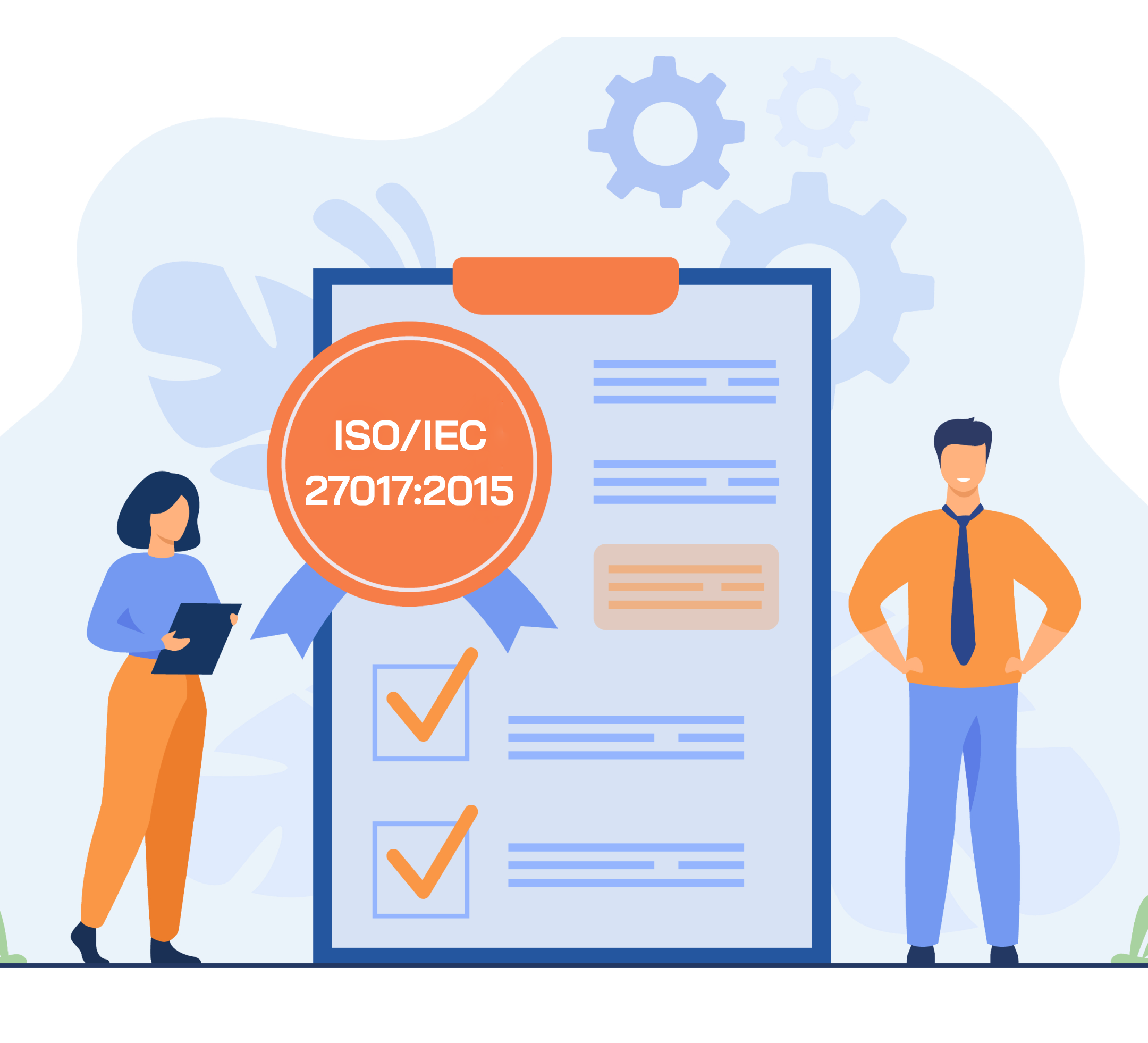
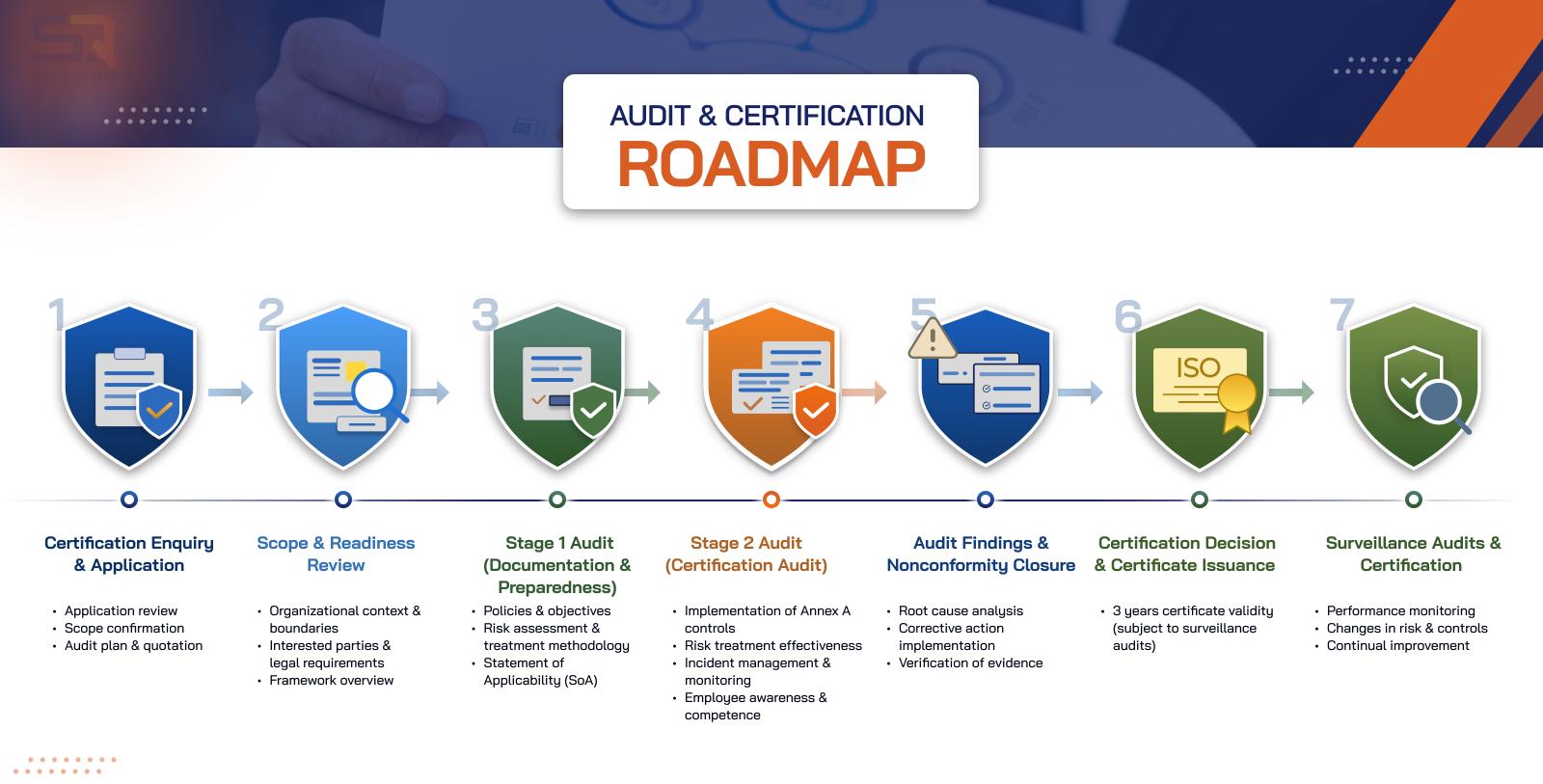
ISO/IEC 27017 Certification and Assessment Process
The ISO/IEC 27017 assessment process conducted by SQNet Assessments follows internationally accepted certification principles and is commonly integrated with ISO/IEC 27001 audits.
Application & Scope Definition
The process begins with a certification or assessment application, during which the scope of cloud services, deployment models, and organizational roles are defined. This includes identification of cloud service provider responsibilities and customer obligations.
Audit & Evaluation
Audits assess the implementation of cloud security controls in accordance with ISO/IEC 27017 guidance. Auditors evaluate both documented controls and operational practices, focusing on cloud governance, access control, virtualization security, monitoring, and incident handling.
Certification Decision
Upon successful completion of the audit and closure of any identified nonconformities, SQNet Assessments conducts an independent certification or conformity decision review in line with applicable certification schemes.
Certification Validity & Surveillance Audits
Where ISO/IEC 27017 is assessed as part of an ISO/IEC 27001 certification, the certification cycle follows a three-year validity period, subject to annual surveillance audits. Surveillance activities ensure continued effectiveness of cloud security controls and alignment with changes in cloud environments and services.
Relationship with Other Standards
ISO/IEC 27017:2015 complements and integrates effectively with other information security and management system standards, including:
ISO/IEC 27001 – Information Security Management Systems
ISO/IEC 27002 – Information Security Controls
ISO/IEC 27701 – Privacy Information Management
ISO/IEC 27018 – Protection of PII in public clouds
ISO 22301 – Business Continuity Management
Key Benefits of ISO/IEC 27017
- Improved security controls for cloud environments
- Clear accountability between cloud providers and customers
- Reduced risk of cloud-related security incidents
- Enhanced customer and stakeholder confidence
- Support for regulatory and contractual compliance
Key Changes in ISO/IEC 27017
- Alignment with the latest ISO management system structure
- Simplified and modernized Annex A controls
- Better integration with risk management and business objectives
- Enhanced focus on cloud security, threat intelligence, and data protection
Frequently Asked Questions
Certification is an independent verification process that confirms an organization’s management system, product, or service complies with applicable international standards. It enhances credibility, builds customer trust, and demonstrates commitment to quality, safety, and compliance.
Certification is applicable to organizations of all sizes and sectors, including manufacturing, service, IT, healthcare, construction, education, and public sector organizations, subject to the applicable standard and scope.
SQNet Assessments provides certification services for various international management system standards, including quality, environmental, occupational health & safety, information security, business continuity, and other applicable ISO and sector-specific standards.
The certification timeline depends on the organization’s size, scope, complexity, and readiness level. Typically, the process may take a few weeks to a few months from application to certificate issuance.
Most management system certifications are valid for three years, subject to successful completion of annual surveillance audits.
Stage 1 audit reviews documentation and readiness for certification.
Stage 2 audit evaluates effective implementation of the management system.
You can apply through the SQNet Assessments website or contact the team directly.