
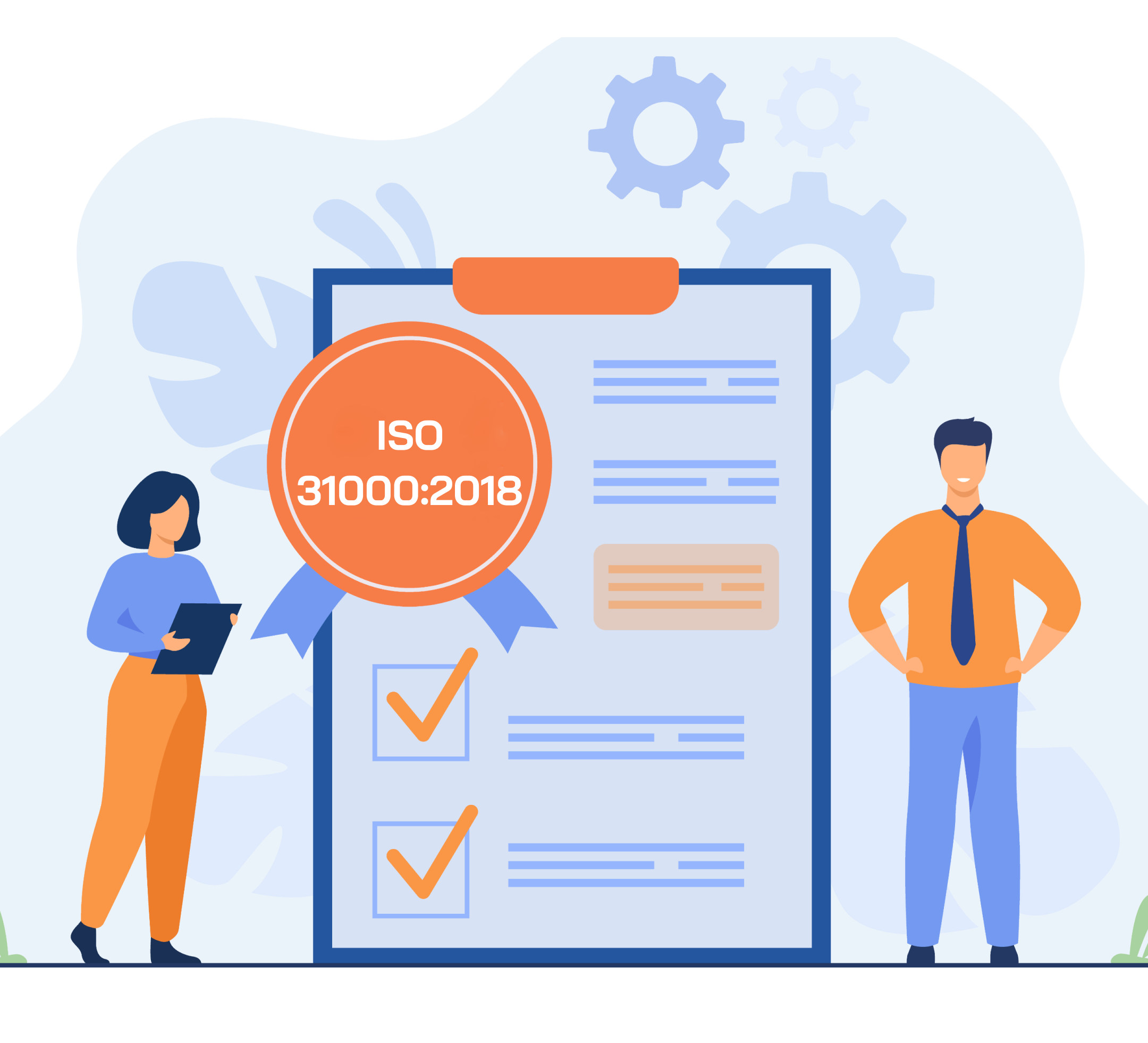
ISO 31000:2018
Risk Management Guidelines.
SQNet Assessments, as an independent conformity assessment body, supports organizations in understanding and aligning their risk management frameworks with ISO 31000:2018 principles and guidelines, strengthening governance and confidence among stakeholders.
ISO 31000:2018 – Risk Management Guidelines
In an increasingly complex and uncertain business environment, effective risk management is essential for sustainable success. ISO 31000:2018 provides internationally recognized guidelines for risk management, enabling organizations to identify, analyze, evaluate, and treat risks in a structured and consistent manner. The standard supports informed decision-making, improved performance, and enhanced organizational resilience.
Understanding ISO 31000:2018
ISO 31000:2018 provides a comprehensive framework for managing risk across all organizational activities, functions, and levels. Unlike certifiable management system standards, ISO 31000 offers guidelines rather than requirements, allowing organizations flexibility in designing risk management practices that align with their objectives, context, and risk appetite.
The standard applies to any organization, regardless of size, industry, or sector, and supports strategic, operational, financial, compliance, and project-related risk management.
Purpose and Scope of ISO 31000
The primary purpose of ISO 31000:2018 is to help organizations:
Integrate risk management into governance, leadership, and decision-making
Improve identification and management of uncertainties
Protect organizational value and resources
Support achievement of objectives
Enhance resilience and adaptability
ISO 31000 encourages organizations to treat risk management as a continuous, proactive process rather than a reactive or isolated activity.
Apply for Certification
Connect with Our Certification Experts
Principles of Risk Management
ISO 31000:2018 is built on a set of core principles that ensure risk management is effective and sustainable. Risk management should:
Create and protect value
Be integrated into organizational processes
Be structured and comprehensive
Be customized to the organization
Include stakeholder involvement
Be dynamic and responsive to change
Use best available information
Consider human and cultural factors
Support continual improvement
These principles form the foundation for establishing a robust and credible risk management framework.
Risk Management Framework
The ISO 31000 framework provides guidance on embedding risk management into organizational governance and management systems. Key elements include:
Leadership and Commitment: Top management accountability for risk management effectiveness
Integration: Risk management embedded into organizational structures and processes
Design: Understanding organizational context, risk criteria, and objectives
Implementation: Applying risk management processes across activities
Evaluation: Assessing performance and effectiveness
Improvement: Continual enhancement of risk management practices
This framework ensures risk management is aligned with strategy and organizational culture.

Risk Management Process
ISO 31000:2018 outlines a systematic risk management process that organizations can apply consistently:
Communication and Consultation
Effective communication with internal and external stakeholders ensures shared understanding of risks and informed decision-making.
Risk Assessment
Risk assessment involves:
Risk Identification: Recognizing potential events that could affect objectives
Risk Analysis: Understanding likelihood, consequences, and risk characteristics
Risk Evaluation: Comparing risks against established criteria to determine priorities
Risk Treatment
Appropriate risk treatment options are selected and implemented, such as avoiding, reducing, sharing, or accepting risks.
Monitoring and Review
Risks and controls are continuously monitored to ensure effectiveness and relevance.
Recording and Reporting
Clear documentation and reporting support transparency, accountability, and continual improvement.

Relationship with Other Management System Standards
ISO 31000:2018 complements various ISO management system standards, including:
ISO 9001 (Quality Management)
ISO 14001 (Environmental Management)
ISO 45001 (Occupational Health & Safety)
ISO/IEC 27001 (Information Security)
ISO 22301 (Business Continuity)
By aligning risk management practices with ISO 31000, organizations can strengthen governance across multiple systems and improve overall performance.
Role of SQNet Assessments
SQNet Assessments supports organizations by providing independent assessment, evaluation, and guidance-based services related to risk management frameworks aligned with ISO 31000:2018. Our approach emphasizes objectivity, transparency, and adherence to internationally accepted best practices.
While ISO 31000 is not a certifiable standard, alignment assessments and evaluations can provide assurance to stakeholders regarding the maturity and effectiveness of an organization’s risk management practices.
Key Benefits of ISO 31000
- Improved strategic and operational decision-making
- Enhanced identification and mitigation of risks
- Increased confidence among stakeholders and regulators
- Stronger governance and accountability
- Better allocation of resources
Key Changes in ISO/IEC 27001:2022
- Alignment with the latest ISO management system structure
- Simplified and modernized Annex A controls
- Better integration with risk management and business objectives
- Enhanced focus on cloud security, threat intelligence, and data protection
Frequently Asked Questions
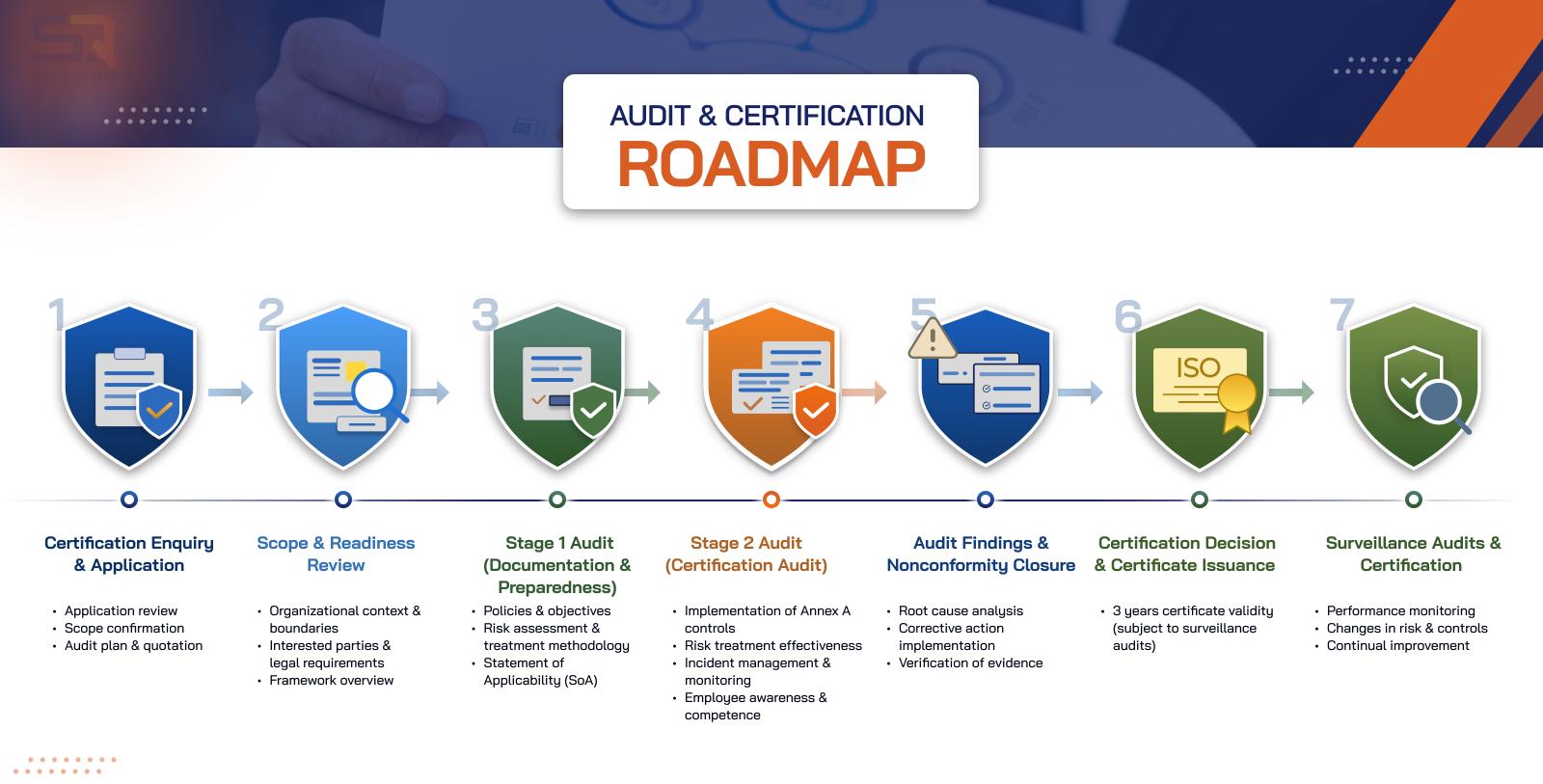
Certification is an independent verification process that confirms an organization’s management system, product, or service complies with applicable international standards. It enhances credibility, builds customer trust, and demonstrates commitment to quality, safety, and compliance.
Certification is applicable to organizations of all sizes and sectors, including manufacturing, service, IT, healthcare, construction, education, and public sector organizations, subject to the applicable standard and scope.
SQNet Assessments provides certification services for various international management system standards, including quality, environmental, occupational health & safety, information security, business continuity, and other applicable ISO and sector-specific standards.
The certification timeline depends on the organization’s size, scope, complexity, and readiness level. Typically, the process may take a few weeks to a few months from application to certificate issuance.
Most management system certifications are valid for three years, subject to successful completion of annual surveillance audits.
Stage 1 audit reviews documentation and readiness for certification.
Stage 2 audit evaluates effective implementation of the management system.
You can apply through the SQNet Assessments website or contact the team directly.