
ISO 14064:2018
Greenhouse Gas Management Systems
SQNet Assessments, as an independent certification and verification body, provides impartial services aligned with ISO 14064:2018, enabling organizations to demonstrate credibility, accuracy, and transparency in their GHG management and reporting practices.
ISO 14064:2018 – Greenhouse Gas Management Systems
Climate change and greenhouse gas (GHG) emissions have become critical global concerns for governments, businesses, and society. Organizations are increasingly expected to measure, manage, and transparently report their GHG emissions to demonstrate environmental responsibility and support sustainability goals. ISO 14064:2018 is an internationally recognized standard that provides principles and requirements for the quantification, reporting, and verification of greenhouse gas emissions and removals.
Understanding ISO 14064:2018
ISO 14064:2018 is a globally accepted standard developed to support consistent and reliable greenhouse gas accounting and reporting. The standard is divided into three parts:
ISO 14064-1: Requirements for quantifying and reporting GHG emissions and removals at the organizational level
ISO 14064-2: Requirements for quantifying, monitoring, and reporting GHG emission reductions or removal enhancements at the project level
ISO 14064-3: Requirements and guidance for the verification and validation of GHG statements
Together, these parts provide a comprehensive framework for managing greenhouse gas information with confidence and integrity.
Purpose of ISO 14064
The primary purpose of ISO 14064:2018 is to enable organizations to:
Identify and quantify greenhouse gas emissions and removals
Establish reliable GHG inventories and reporting systems
Support climate change mitigation strategies
Enhance transparency and credibility of environmental claims
Meet regulatory, voluntary, and stakeholder reporting requirements
Apply for Certification
Connect with Our Certification Experts
Applicability of ISO 14064
ISO 14064 is applicable to organizations of all sizes and sectors, including manufacturing, energy, transportation, construction, IT services, agriculture, and public sector entities. It is also relevant for organizations participating in carbon markets, emissions trading schemes, or voluntary climate programs.
The standard is widely used to support corporate sustainability reporting, carbon neutrality claims, net-zero strategies, and environmental disclosures.
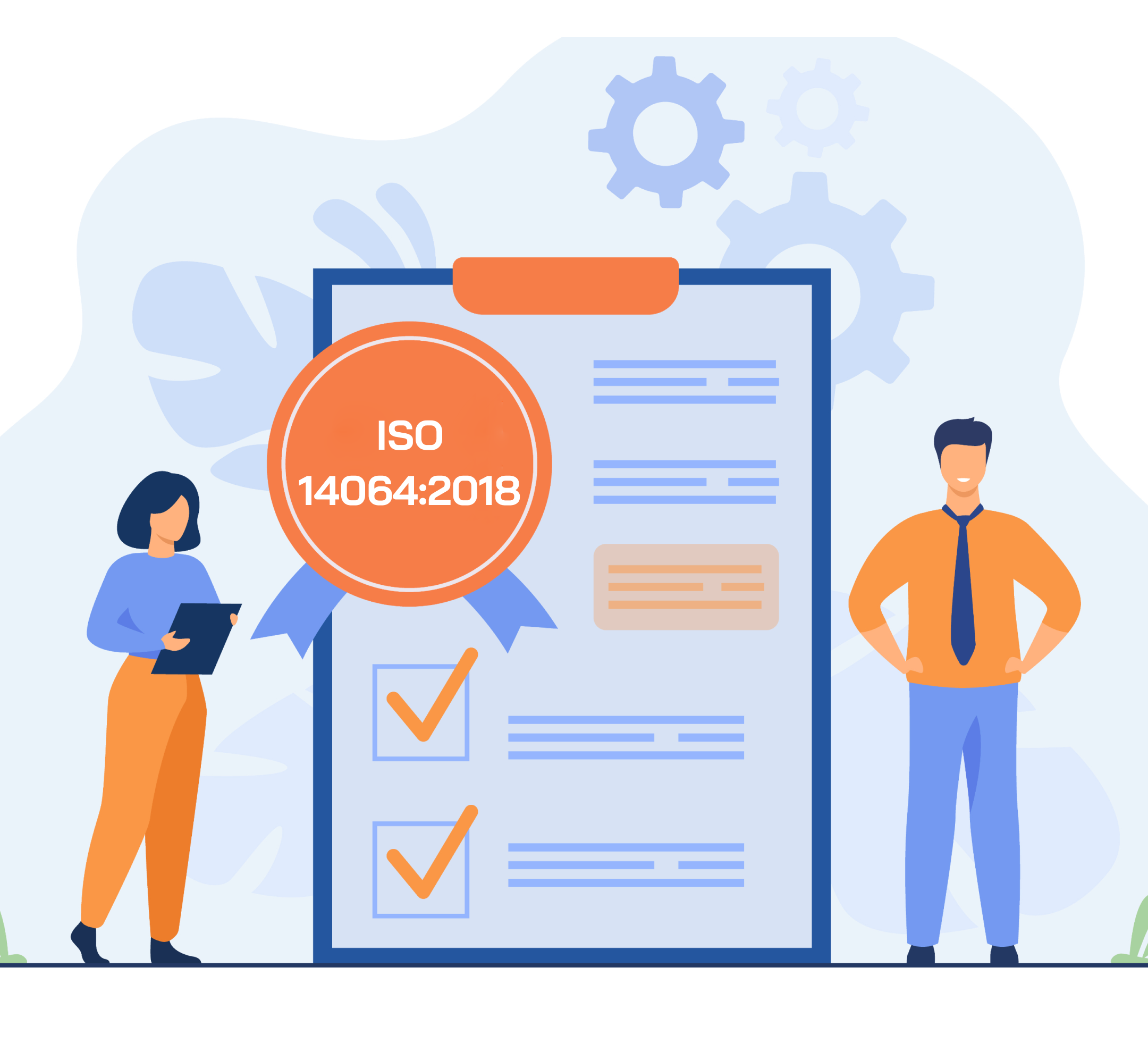
Key Elements of Greenhouse Gas Management
ISO 14064:2018 emphasizes a structured and transparent approach to GHG management. Key elements include:
Definition of organizational or project boundaries
Identification of emission sources and sinks
Selection of appropriate quantification methodologies
Data collection, monitoring, and quality management
Documentation of assumptions, methodologies, and calculations
GHG inventory preparation and reporting
Management of uncertainties and data accuracy
These elements ensure consistency, comparability, and reliability of GHG information.
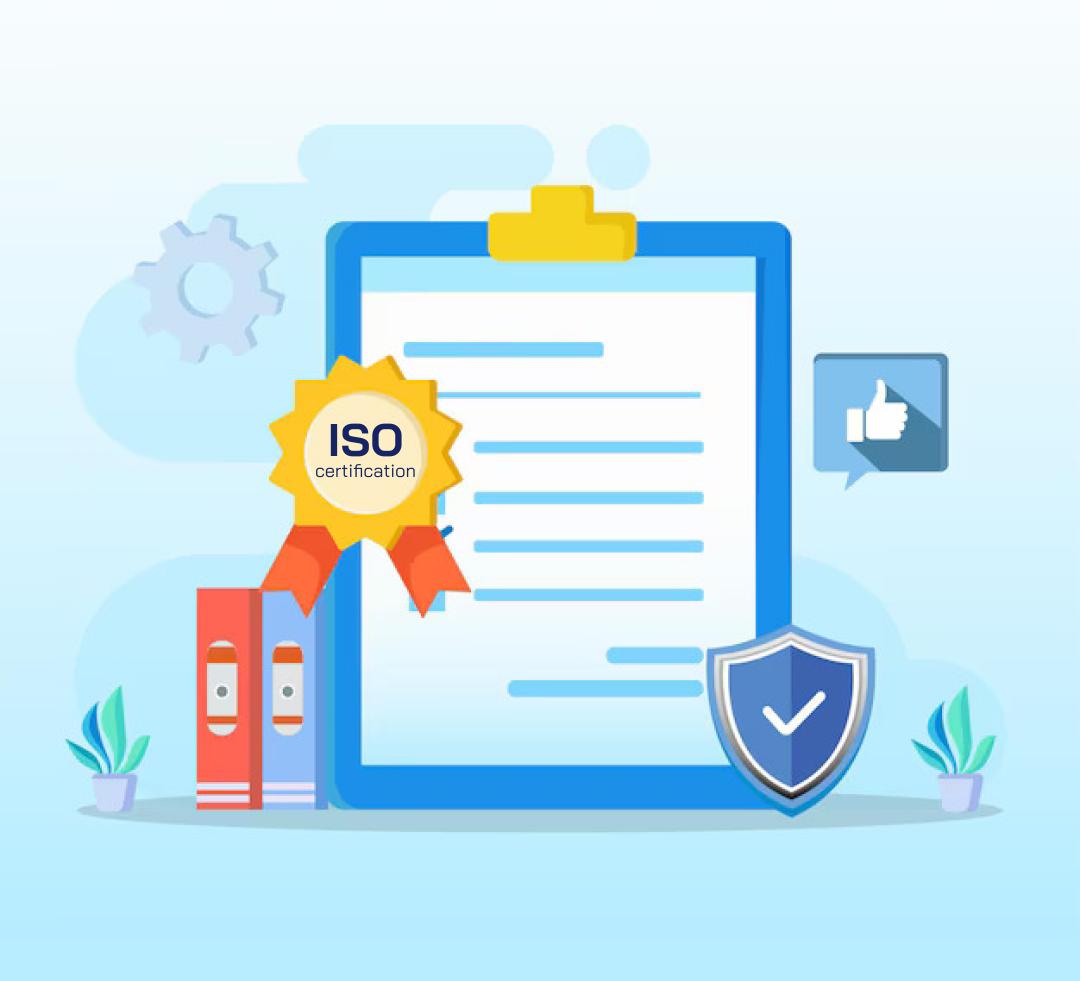
ISO 14064 Assessment and Verification Process
The ISO 14064 verification process conducted by SQNet Assessments follows internationally accepted verification principles, including impartiality, objectivity, competence, and transparency.
Scope Definition and Planning
The process begins with defining the scope of verification, including organizational boundaries, reporting period, emission sources, and applicable parts of ISO 1

Evaluation and Verification
Verification activities include reviewing GHG inventories, data sources, calculation methods, and supporting documentation. SQNet Assessments evaluates whether reported GHG information is accurate, complete, consistent, and prepared in accordance with ISO 14064 requirements.
Verification Statement
Upon completion of verification activities, SQNet Assessments issues an independent verification statement that provides assurance regarding the reliability of the reported GHG information.

Relationship with Other Environmental Standards
ISO 14064:2018 aligns well with other international standards and frameworks, including:
ISO 14001 – Environmental Management Systems
ISO 14067 – Carbon Footprint of Products
ISO 50001 – Energy Management Systems
Sustainability and ESG reporting frameworks
Integration with these standards supports a comprehensive approach to environmental and climate governance.

Key Benefits of ISO 14064
- Credible and transparent GHG reporting
- Improved confidence in emissions data
- Support for regulatory and voluntary reporting requirements
- Enhanced stakeholder and investor trust
- Improved climate risk management
Key Changes in ISO 14064
- Alignment with the latest ISO management system structure
- Simplified and modernized Annex A controls
- Better integration with risk management and business objectives
- Enhanced focus on cloud security, threat intelligence, and data protection
Frequently Asked Questions
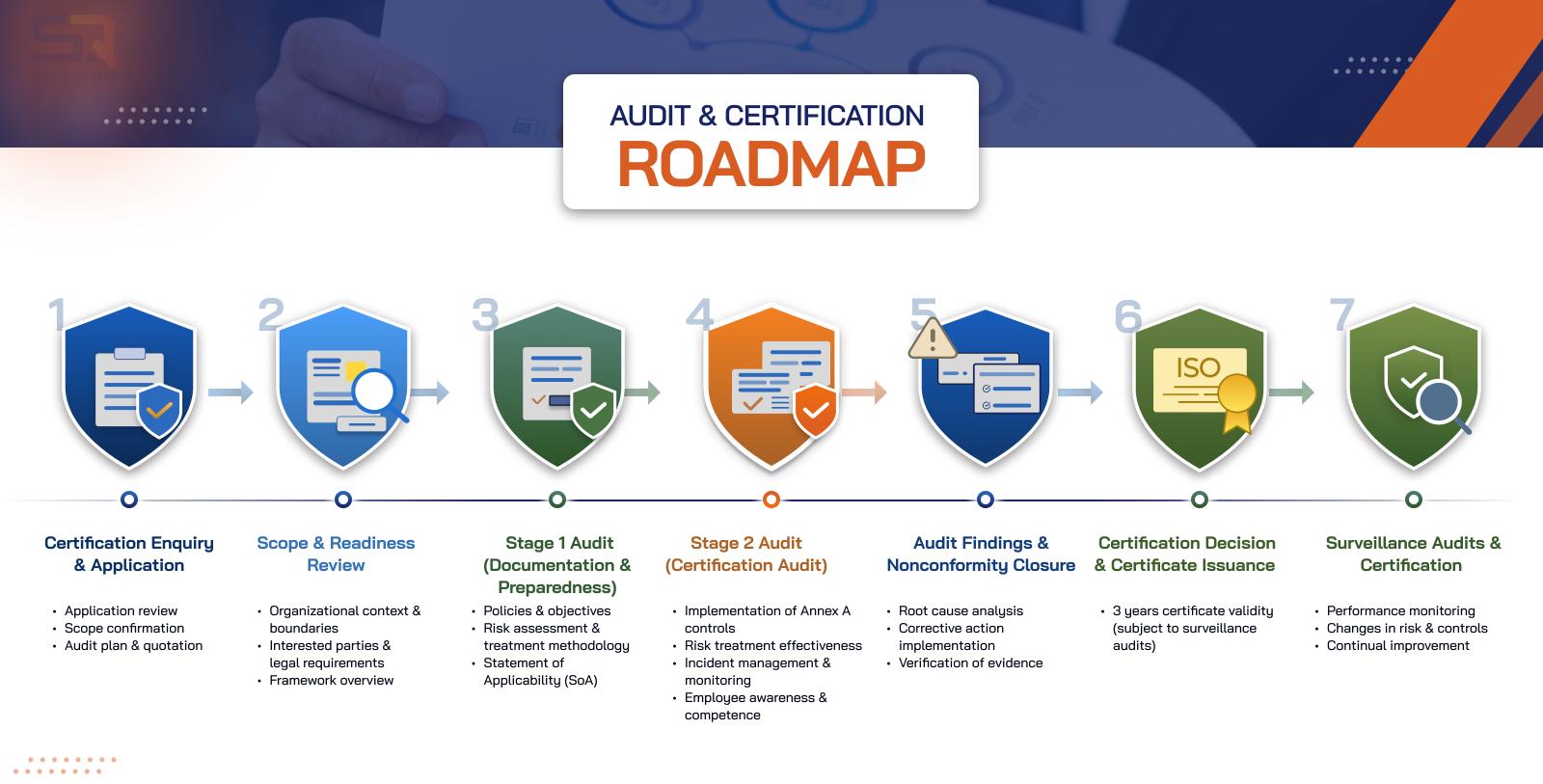
Certification is an independent verification process that confirms an organization’s management system, product, or service complies with applicable international standards. It enhances credibility, builds customer trust, and demonstrates commitment to quality, safety, and compliance.
Certification is applicable to organizations of all sizes and sectors, including manufacturing, service, IT, healthcare, construction, education, and public sector organizations, subject to the applicable standard and scope.
SQNet Assessments provides certification services for various international management system standards, including quality, environmental, occupational health & safety, information security, business continuity, and other applicable ISO and sector-specific standards.
The certification timeline depends on the organization’s size, scope, complexity, and readiness level. Typically, the process may take a few weeks to a few months from application to certificate issuance.
Most management system certifications are valid for three years, subject to successful completion of annual surveillance audits.
Stage 1 audit reviews documentation and readiness for certification.
Stage 2 audit evaluates effective implementation of the management system.
You can apply through the SQNet Assessments website or contact the team directly.