
EU – GDPR
General Data Protection Regulation
SQNet Assessments, as an independent certification and conformity assessment body, supports organizations in evaluating and demonstrating compliance with GDPR requirements through structured assessments and assurance services.
EU – GDPR General Data Protection Regulation
The General Data Protection Regulation (GDPR) is a comprehensive data protection law enacted by the European Union to strengthen the protection of personal data and privacy of individuals. Since its enforcement, GDPR has significantly impacted how organizations collect, process, store, and manage personal data. It establishes clear obligations for organizations and enhances the rights of individuals whose data is processed.
Understanding GDPR
GDPR applies to any organization that processes personal data of individuals located in the European Union, regardless of where the organization itself is established. This extraterritorial scope makes GDPR relevant to organizations worldwide, including service providers, technology companies, and organizations offering goods or services to EU residents.
The regulation governs the processing of personal data, defined as any information relating to an identified or identifiable natural person. This includes names, identification numbers, location data, online identifiers, and other information that can be linked to an individual.
Apply for Certification
Connect with Our Certification Experts
Objectives of GDPR
The primary objectives of GDPR are to:
Protect the fundamental rights and freedoms of individuals
Ensure transparency and accountability in data processing
Harmonize data protection laws across EU member states
Strengthen data security and breach response mechanisms
Enhance trust between organizations and individuals
GDPR requires organizations to adopt a risk-based approach to data protection and embed privacy into business processes.
Key Principles of GDPR
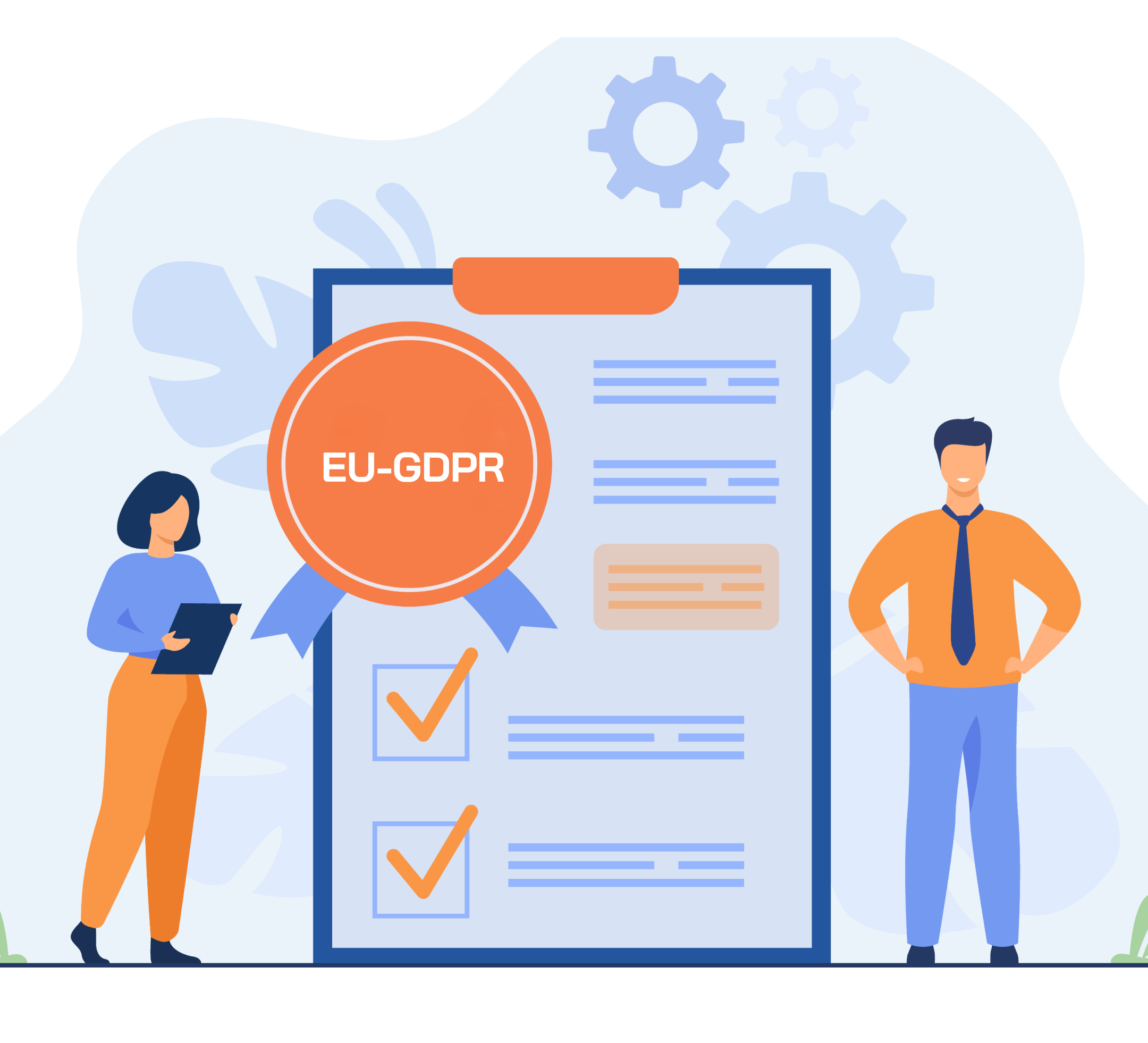
GDPR is built on a set of core data protection principles that guide lawful and fair processing of personal data:
Lawfulness, Fairness, and Transparency – Personal data must be processed lawfully and transparently
Purpose Limitation – Data must be collected for specified and legitimate purposes
Data Minimization – Only necessary data should be processed
Accuracy – Personal data must be accurate and kept up to date
Storage Limitation – Data should not be retained longer than necessary
Integrity and Confidentiality – Data must be protected against unauthorized access and loss
Accountability – Organizations must demonstrate compliance with GDPR principles
Rights of Data Subjects
GDPR significantly enhances the rights of individuals, known as data subjects. These rights include:
Right to be informed
Right of access
Right to rectification
Right to erasure (right to be forgotten)
Right to restrict processing
Right to data portability
Right to object
Rights related to automated decision-making and profiling
Organizations must establish processes to respond to data subject requests within defined timelines.
GDPR Compliance and Organizational Responsibilities
Organizations subject to GDPR must implement appropriate technical and organizational measures to protect personal data. Key responsibilities include:
Maintaining records of processing activities
Conducting data protection impact assessments (DPIAs) where required
Implementing data security controls
Managing third-party processors and contracts
Establishing breach notification procedures
Appointing a Data Protection Officer (DPO), where applicable

GDPR Assessment and Assurance Process
The GDPR assessment process supported by SQNet Assessments focuses on evaluating how effectively an organization has implemented GDPR requirements.
Scope Definition
The assessment begins by defining the scope of personal data processing activities, systems, locations, and roles of controllers and processors.
Evaluation and Review
Assessments review policies, procedures, records, and operational practices related to data protection. This includes evaluating governance structures, risk management, consent mechanisms, data subject rights handling, and incident response.
Findings and Reporting
Assessment findings are documented and communicated in a structured manner, enabling organizations to understand compliance status and areas for improvement.
Relationship with International Standards
GDPR compliance can be effectively supported by implementing internationally recognized standards, including:
ISO/IEC 27001 – Information Security Management Systems
ISO/IEC 27701 – Privacy Information Management
ISO/IEC 27018 – Protection of PII in Cloud Services
Alignment with these standards helps organizations establish structured and auditable privacy management frameworks.
Key Benefits of GDPR Compliance
- Independent evaluation of GDPR compliance status
- Enhanced trust among customers, regulators, and partners
- Reduced risk of data breaches and regulatory penalties
- Improved governance and accountability
- Structured approach to privacy risk management
Key Changes in ISO/IECGDPR Compliance
- Alignment with the latest ISO management system structure
- Simplified and modernized Annex A controls
- Better integration with risk management and business objectives
- Enhanced focus on cloud security, threat intelligence, and data protection
Frequently Asked Questions
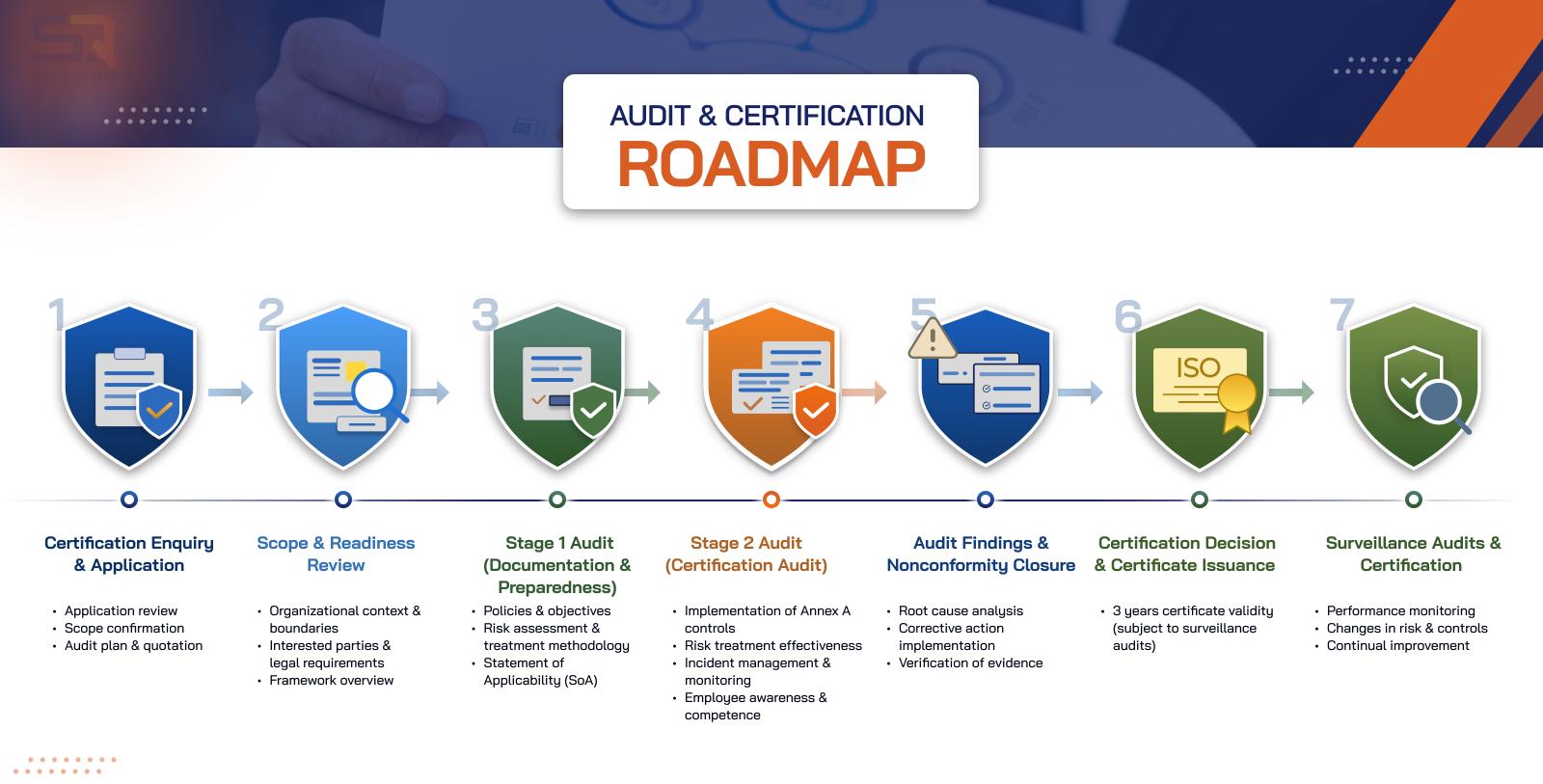
Certification is an independent verification process that confirms an organization’s management system, product, or service complies with applicable international standards. It enhances credibility, builds customer trust, and demonstrates commitment to quality, safety, and compliance.
Certification is applicable to organizations of all sizes and sectors, including manufacturing, service, IT, healthcare, construction, education, and public sector organizations, subject to the applicable standard and scope.
SQNet Assessments provides certification services for various international management system standards, including quality, environmental, occupational health & safety, information security, business continuity, and other applicable ISO and sector-specific standards.
The certification timeline depends on the organization’s size, scope, complexity, and readiness level. Typically, the process may take a few weeks to a few months from application to certificate issuance.
Most management system certifications are valid for three years, subject to successful completion of annual surveillance audits.
Stage 1 audit reviews documentation and readiness for certification.
Stage 2 audit evaluates effective implementation of the management system.
You can apply through the SQNet Assessments website or contact the team directly.