ISO 50001 Certification in Botswana
CERTIFICATION
Assessment, certification, validation, and verification to international standards and schemes.
INSPECTION
Validating the state of your assets, products or suppliers.
PRODUCT CERTIFICATION
Independent assurance and verification build trust with the people that matter most to you.
TRAINING
Quality training for all experience levels delivered via various learning programmes.
Enquire Now
Introduction to ISO 50001:2018 – Energy Management System (EnMS)
In today’s world, energy efficiency, sustainability, and cost management are key drivers for organizational competitiveness and environmental responsibility. ISO 50001 Certification Body in Botswana is the international standard for Energy Management Systems (EnMS), designed to help organizations systematically manage energy use, improve energy performance, and reduce environmental impact. Implementing Botswana ISO 50001 Certification in Botswana enables organizations to optimize energy consumption, lower operational costs, and demonstrate commitment to sustainability and corporate social responsibility.
Developed by the International Organization for Standardization (ISO), ISO 50001:2018 Certification in Botswana provides a structured framework for establishing, implementing, maintaining, and continually improving an energy management system. It aligns with other ISO management system standards, including ISO 9001 (Quality), ISO 14001 (Environmental), and ISO 45001 (Occupational Health & Safety), facilitating integrated management systems.

Purpose and Scope of ISO 50001
The primary purpose ISO 50001 EnMS Certification in Botswana is to help organizations:
Enhance energy performance through efficient use of energy in processes, buildings, and systems.
Reduce greenhouse gas emissions and other environmental impacts linked to energy use.
Identify and manage energy risks and opportunities within operational activities.
Comply with energy-related legal, regulatory, and contractual requirements.
Demonstrate continual improvement in energy management to stakeholders, clients, and regulators.
Accredited ISO 50001 Certification Body in Botswana is applicable to all types and sizes of organizations, whether in manufacturing, services, transport, or utilities. Its flexible structure allows organizations to adapt the EnMS to their energy consumption patterns, operational needs, and strategic objectives.
Key Features of ISO 50001
- Energy Performance Improvement: Focuses on measurable improvements in energy efficiency, consumption, and cost reduction.
- Risk and Opportunity Management: Organizations systematically identify energy-related risks and opportunities, ensuring strategic and operational alignment.
- Leadership Commitment: Top management is required to actively support energy initiatives, allocate resources, and integrate energy objectives into business planning.
- Continual Improvement: ISO 50001 Audit Services in Botswana emphasizes monitoring, measurement, and review of energy performance, enabling organizations to refine strategies and controls.
- Integration with Other Standards: Its High-Level Structure (HLS) enables easy integration with ISO 9001, ISO 14001, and ISO 45001, optimizing management processes and documentation.
Why ISO 50001 is Critical Today
With increasing energy costs, regulatory pressures, and environmental concerns, organizations must adopt systematic approaches to energy management. ISO 50001 Certification Agency in Botswana enables organizations to optimize energy use, improve operational efficiency, and reduce environmental footprint, ensuring long-term sustainability and profitability.
By implementing ISO 50001 Certification Company in Botswana, organizations not only gain financial and operational benefits but also position themselves as responsible, forward-thinking entities in the eyes of clients, partners, and regulators.
ISO 50001:2018 – Detailed Standard Requirements
ISO 50001 Certification Cost in Botswana specifies the requirements for establishing, implementing, maintaining, and continually improving an Energy Management System (EnMS). The standard follows the High-Level Structure (HLS) used in other ISO management system standards, facilitating integration with ISO 9001, ISO 14001, and ISO 45001. ISO 50001’s requirements are structured into ten clauses (4–10) covering the full lifecycle of energy management, from context understanding to continual improvement.
Clause 4 – Context of the Organization
Organizations must understand internal and external factors that influence energy performance. Key elements include:
- Identification of internal issues (processes, operations, organizational structure, and technology) and external issues (regulations, market trends, energy costs, and climate policies) affecting energy management.
- Understanding interested parties, including regulators, clients, employees, and energy suppliers, and their requirements related to energy performance.
- Defining the scope of the EnMS, including boundaries, processes, facilities, and any justified exclusions.
Auditors verify that the organization has documented the context, identified stakeholders, and defined the EnMS scope effectively.
Clause 5 – Leadership
Top management must demonstrate leadership and commitment to energy management:
- Developing and approving an Energy Policy aligned with organizational strategy and legal obligations.
- Assigning roles, responsibilities, and authorities for energy management.
- Promoting an energy-conscious culture and ensuring adequate resources for the EnMS.
- Integrating energy management objectives into business processes and decision-making.
ISO 50001 Certification Process in Botswana Auditors assess evidence of management involvement, policy approval, and active promotion of energy objectives.
Clause 6 – Planning
Planning ensures that the organization addresses energy risks and opportunities systematically:
- Energy Review: Identify energy sources, significant energy uses (SEUs), and energy performance indicators (EnPIs).
- Baseline Establishment: Develop energy baselines to measure improvements.
- Objectives and Action Plans: Define measurable energy objectives and targets, assign responsibilities, and allocate resources.
- Legal and Other Requirements: Identify and document applicable energy-related laws, regulations, and contractual obligations.
- Risk and Opportunity Assessment: Address potential risks (e.g., energy supply interruptions) and opportunities (e.g., energy efficiency projects).
ISO 50001 Third Party Certification in Botswana Auditors verify that energy reviews, baselines, objectives, and action plans are properly documented, implemented, and monitored.
Clause 7 – Support
This clause ensures the EnMS has the necessary resources, competence, awareness, and communication mechanisms:
- Resources: Adequate financial, technological, and human resources for energy management.
- Competence and Awareness: Personnel must understand energy performance implications of their roles and responsibilities.
- Communication: Effective internal and external communication regarding energy performance and objectives.
- Documented Information: Procedures, policies, and records must be controlled, accessible, and maintained.
ISO 50001 Quality Management Certification in Botswana Auditors examine training records, communication logs, and document control procedures.
Clause 8 – Operation
Operational control ensures that energy performance improvement actions are implemented effectively:
- Management of significant energy uses through operational controls and procedures.
- Implementation of action plans and energy efficiency projects.
- Monitoring of energy consumption, energy systems, and key performance indicators (EnPIs).
- Control of procurement, design, and maintenance processes that impact energy performance.
EnMS ISO 50001 Certification Body in Botswana Auditors verify that operational procedures are followed, documented, and effective in improving energy efficiency.
Clause 9 – Performance Evaluation
Organizations must measure, monitor, analyze, and evaluate energy performance:
- Conduct internal audits to verify EnMS compliance and effectiveness.
- Monitor energy consumption trends, EnPIs, and energy savings.
- Perform management reviews to evaluate performance, review objectives, and identify opportunities for improvement.
ISO 50001 Certification for Companies in Botswana Auditors review audit reports, monitoring data, and management review minutes to ensure data-driven energy management decisions.
Clause 10 – Improvement
ISO 50001 Certification for Businesses in Botswana ISO 50001 emphasizes continual improvement in energy performance:
- Identify and address nonconformities through corrective actions.
- Implement preventive measures to mitigate potential energy risks.
- Optimize energy systems and operational practices based on monitoring and audit results.
Best ISO 50001 Certification Body in Botswana Auditors confirm that improvements are systematic, documented, and result in measurable energy performance gains.
Principles of ISO 50001:2018 – Energy Management System (EnMS)
ISO 50001 Certification Services in Botswana is built on a set of core principles that guide organizations in systematically managing energy use and improving energy performance. These principles ensure that energy management is not only compliant with regulations but also aligned with organizational strategy, operational efficiency, and sustainability goals.
1. Leadership and Top Management Commitment
A fundamental principle of ISO 50001 Audit and Certification in Botswana is active involvement of top management. Leaders are responsible for:
- Approving the Energy Policy and aligning it with business objectives.
- Allocating necessary resources, including personnel, technology, and finances, for energy initiatives.
- Ensuring that energy performance objectives are integrated into strategic planning and operational decisions.
- Fostering an energy-conscious culture across all levels of the organization.
Leadership commitment ensures that energy management is a strategic priority rather than an operational afterthought.
2. Risk-Based Approach
ISO 50001 Accreditation Services in Botswana emphasizes a risk and opportunity-based approach to energy management. Organizations are required to:
- Identify significant energy uses (SEUs) and energy-related risks, including operational inefficiencies, supply interruptions, or high energy cost processes.
- Evaluate opportunities for energy efficiency improvements, renewable energy adoption, and process optimization.
- Prioritize actions based on risk impact, cost-benefit analysis, and potential energy savings.
This principle ensures that energy management efforts are targeted, systematic, and impactful.
3. Plan-Do-Check-Act (PDCA) Cycle
ISO 50001 implements the PDCA model, which provides a structured framework for continual improvement:
- Plan: Conduct energy reviews, identify significant energy uses, set objectives, and establish action plans.
- Do: Implement operational controls, action plans, and energy efficiency initiatives.
- Check: Monitor energy consumption, measure performance indicators (EnPIs), conduct audits, and analyze results.
- Act: Take corrective and preventive actions, review performance, and implement improvements.
The PDCA cycle ensures that the organization continually enhances energy performance, aligning operational processes with energy objectives.
4. Continual Improvement
ISO 50001 Quality Certification in Botswana promotes a culture of continual improvement:
- Organizations must establish measurable energy objectives and track performance against baselines.
- Internal audits, monitoring, and management reviews identify gaps, inefficiencies, and opportunities for enhancement.
- Corrective and preventive actions are applied systematically to optimize energy consumption and reduce costs.
Continual improvement ensures that the EnMS remains effective, responsive, and aligned with evolving energy challenges.
5. Employee Engagement and Competence
A key principle is the active involvement and competence of personnel:
- Employees at all levels must understand the impact of their actions on energy performance.
- Organizations must provide training, awareness programs, and clear roles and responsibilities.
- Staff engagement fosters a culture of energy efficiency, where employees contribute ideas and follow established operational controls.
Competent, aware, and engaged employees are essential to sustainable energy performance improvements.
6. Legal, Regulatory, and Stakeholder Compliance
ISO 50001 Certification Provider in Botswana emphasizes adherence to applicable energy laws, regulations, and contractual requirements:
- Organizations must identify and document relevant energy legislation and standards.
- The EnMS must ensure compliance with national and international energy efficiency regulations, environmental laws, and contractual energy obligations.
- Stakeholder requirements, such as clients or investors expecting sustainable energy practices, must also be considered.
Compliance ensures risk mitigation, legal adherence, and reputation enhancement.
7. Systematic Measurement and Data-Driven Decisions
ISO 50001 Certification Near Me in Botswana encourages organizations to base decisions on reliable data and objective measurement:
- Implement energy performance indicators (EnPIs) and monitor significant energy uses.
- Collect accurate data on energy consumption, operational efficiency, and savings from improvement initiatives.
- Use data to identify trends, inefficiencies, and opportunities for energy optimization.
A data-driven approach ensures that energy management actions are evidence-based and result-oriented.
8. Integration with Business Strategy
Energy management under Fast ISO 50001 Certification in Botswana is not isolated but integrated with organizational strategy:
- Energy objectives should align with business goals, financial targets, and sustainability initiatives.
- Energy management decisions should complement quality, environmental, and occupational health management systems where applicable.
- Integration ensures that energy efficiency contributes to overall operational excellence and competitive advantage.
9. Sustainable and Environmental Responsibility
Online ISO 50001 Certification in Botswana encourages organizations to consider the environmental impact of energy consumption:
- Reducing energy consumption leads to lower greenhouse gas emissions.
- Encourages adoption of renewable energy sources and efficient technologies.
- Demonstrates corporate commitment to sustainability, ESG goals, and responsible resource management.
Energy management becomes part of the organization’s broader sustainability strategy.
Mandatory Documents for ISO 50001:2018 Certification
ISO 50001 Global Certification Body in Botswana requires organizations to maintain documented information that demonstrates compliance, effective implementation, and continual improvement of the Energy Management System (EnMS). While the standard allows flexibility in documentation practices, certain documents are mandatory and form the backbone of evidence for audits and certification.
1. Energy Management System Scope Document
The scope defines the boundaries and applicability of the EnMS. It identifies:
- Locations, processes, facilities, and energy-consuming systems included in the EnMS.
- Justified exclusions, if any, along with rationale.
Auditors verify that the scope covers all significant energy uses (SEUs) and aligns with the organization’s operational and strategic objectives.
2. Energy Policy
The Energy Policy is a top management-approved document that reflects the organization’s commitment to energy efficiency, sustainable energy practices, and regulatory compliance. It provides the framework for:
- Setting energy objectives and targets
- Continual improvement in energy performance
- Employee engagement and awareness programs
During audits, the policy is assessed for alignment with organizational strategy and effective communication across all levels.
3. Energy Review and Energy Baseline Records
Organizations must conduct a comprehensive energy review, documenting:
- Significant energy uses (SEUs)
- Energy sources and consumption patterns
- Energy performance indicators (EnPIs)
- Opportunities for energy improvement
The energy baseline serves as a reference point for measuring improvements. Auditors check that the review and baseline are current, accurate, and utilized for objective setting.
4. Legal, Regulatory, and Other Requirements Register
A register of all energy-related laws, regulations, and contractual obligations is mandatory. This includes:
- National energy efficiency regulations
- Environmental and sustainability requirements
- Contractual energy obligations or client expectations
Auditors verify that the organization monitors compliance and integrates these requirements into the EnMS.
5. Energy Objectives, Targets, and Action Plans
Documented energy objectives and targets must be measurable and aligned with the energy policy. Action plans should include:
- Responsibilities for achieving objectives
- Resources allocated
- Implementation timelines
- Monitoring and measurement mechanisms
Auditors assess whether objectives are realistic, measurable, and actively pursued.
6. Roles, Responsibilities, and Competence Records
ISO 50001 Compliance Certification in Botswana requires clarity in roles and responsibilities for energy management. Documentation includes:
- Assignment of responsibilities for energy monitoring, operational control, and improvement initiatives
- Competence records, training logs, and awareness programs
- Evidence that personnel understand their roles in achieving energy performance improvements
Auditors verify that staff are competent and engaged in energy management.
7. Operational Control Procedures
Operational documentation ensures that processes affecting energy use are managed effectively. This includes:
- Procedures for controlling SEUs
- Guidelines for procurement, design, and maintenance impacting energy performance
- Standard operating procedures for energy-intensive equipment
- Monitoring and measurement protocols
Auditors check that these procedures are implemented consistently and effectively.
8. Monitoring, Measurement, and Analysis Records
Documented information is required to track energy performance:
- Energy consumption records
- EnPIs and trends
- Results from energy monitoring systems or audits
- Analysis reports supporting management decisions
Auditors assess that the organization is data-driven in its energy management efforts.
9. Internal Audit Reports
Internal audits assess compliance and effectiveness of the EnMS. Documentation includes:
- Audit plans, checklists, and schedules
- Findings and nonconformities
- Corrective actions and closure evidence
- Follow-up assessments
Auditors confirm that internal audits are conducted systematically and support continual improvement.
10. Management Review Records
Top management must review the EnMS periodically to evaluate:
- Energy performance against objectives
- Effectiveness of action plans and operational controls
- Compliance with legal and regulatory requirements
- Opportunities for continual improvement
Audit verification ensures active leadership involvement and data-driven decision-making.
11. Corrective and Preventive Action Records
Organizations must document:
- Nonconformities in energy performance or EnMS processes
- Root cause analysis
- Corrective and preventive actions implemented
- Verification of action effectiveness
Auditors review these records to ensure that issues are addressed systematically and improvements are sustained.
12. Documented Information Control Procedure
Control of documented information ensures that all EnMS documents are accurate, approved, current, and accessible:
- Document creation and approval process
- Version control and distribution
- Retention, review, and disposal procedures
Auditors verify that documentation is controlled and reflects actual practices.
ISO 50001:2018 Audit Methodology
The ISO 50001 Quality System Certification in Botswana audit methodology is a systematic, risk-based approach designed to assess an organization’s Energy Management System (EnMS) for compliance, effectiveness, and continual improvement. Certification audits ensure that energy performance objectives are achieved, operational controls are implemented, and legal, regulatory, and stakeholder requirements are met.
Audits are generally conducted in two stages—Stage 1 (Documentation Review) and Stage 2 (On-Site Audit)—followed by ongoing surveillance and recertification audits.
1. Pre-Audit Planning
Effective audits begin with comprehensive planning, which includes:
- Understanding the organization: Evaluating operational processes, facilities, energy sources, and energy-intensive systems.
- Defining audit scope: Determining the boundaries of the EnMS, including departments, locations, and processes.
- Identifying key risks and significant energy uses (SEUs): Highlighting areas critical for energy performance and efficiency.
- Preparing audit plan and checklist: Aligning with ISO 50001 clauses, mandatory documents, and performance indicators.
- Communication with the organization: Informing about audit objectives, schedule, documentation requirements, and expectations.
Pre-audit planning ensures a targeted and efficient audit process, focusing on areas with the greatest impact on energy performance.
2. Stage 1 Audit – Documentation Review
Stage 1, or readiness assessment, evaluates whether the EnMS documentation is complete and aligned with ISO 50001:2018:
- Review of mandatory documents, including Energy Policy, energy reviews, baseline records, objectives and action plans, operational procedures, internal audit and management review records.
- Verification that the EnMS covers significant energy uses, legal requirements, and risk-based planning.
- Identification of gaps or areas needing improvement before the full on-site audit.
Outcome: Stage 1 audit report highlighting readiness for Stage 2, along with recommendations for corrective actions.
3. Stage 2 Audit – On-Site Implementation Verification
Stage 2 is the primary certification audit, conducted on-site to evaluate the implementation and effectiveness of the EnMS:
Audit Techniques:
- Document Review: Examining records such as energy consumption logs, EnPIs, internal audit reports, and corrective action evidence.
- Interviews: Engaging with management, operational staff, and energy coordinators to assess competence, awareness, and adherence to procedures.
- Observation: Inspecting energy-intensive systems, operational processes, and facilities for compliance with operational controls.
- Sampling: Verifying a representative sample of energy data, SEUs, and implemented controls for accuracy and effectiveness.
Audit Focus Areas:
- Implementation of energy objectives, action plans, and operational controls.
- Energy measurement, monitoring, and analysis systems.
- Compliance with legal and regulatory requirements.
- Employee awareness and engagement in energy management.
- Continual improvement practices and management review effectiveness.
Outcome: Audit findings categorized as major nonconformities, minor nonconformities, or observations, which form the basis for corrective actions.
4. Nonconformity Closure
Organizations are required to:
- Develop and implement corrective actions for all nonconformities identified during Stage 2.
- Submit evidence for verification by auditors.
- Ensure that corrective actions are effective, sustainable, and address root causes.
Certification is granted only after all major nonconformities are satisfactorily closed.
5. Certification Decision
Following successful audits and closure of nonconformities:
- The certification decision committee reviews audit reports and corrective actions for impartiality and completeness.
- ISO 50001:2018 certification is issued, generally valid for three years.
- Certification confirms that the organization has a robust and systematic EnMS, capable of achieving continual energy performance improvements.
6. Surveillance Audits
Surveillance audits are conducted annually during the certification cycle:
- Assess ongoing compliance with ISO 50001 requirements.
- Evaluate energy performance improvements, implementation of operational controls, and management review outcomes.
- Verify corrective actions for any deviations or changes in energy systems.
These audits maintain system integrity and continual improvement throughout the certificate validity period.
7. Recertification Audit
At the end of the three-year certification cycle, a full recertification audit is conducted:
- Comprehensive evaluation of all EnMS clauses, operational controls, and mandatory documentation.
- Focus on achievements in energy performance improvement, risk management, and continual improvement initiatives.
- Successful recertification extends the ISO 50001 certificate for another three-year period.
8. Special or Unscheduled Audits
Special audits may be conducted due to:
- Major energy-related incidents or operational changes.
- Regulatory or legal requirements.
- Client or stakeholder requests.
These audits ensure that the EnMS remains resilient, responsive, and compliant at all times.
ISO 50001:2018 Certification Lifecycle Flow
Top ISO 50001 certification body in Botswana follows a structured, step-by-step lifecycle designed to ensure that organizations not only implement a compliant Energy Management System (EnMS) but also maintain continual improvement in energy performance. The lifecycle emphasizes risk-based planning, systematic audits, and ongoing monitoring to achieve sustainable energy efficiency.
1. Pre-Certification Preparation
Before certification, organizations must establish and document an EnMS aligned with ISO 50001:2018 requirements:
- Define the scope of the EnMS, covering facilities, processes, and significant energy uses (SEUs).
- Develop an Energy Policy, objectives, and measurable targets.
- Conduct energy reviews and establish energy baselines.
- Identify risks, opportunities, and regulatory requirements.
- Prepare mandatory documentation, including operational procedures, action plans, internal audit plans, and management review records.
Objective: Ensure the organization is ready for formal assessment and has a fully implemented EnMS.
2. Stage 1 Audit – Documentation Review
Stage 1, also called the readiness assessment, involves:
- Reviewing all mandatory documents for completeness, accuracy, and alignment with ISO 50001 clauses.
- Verifying that energy reviews, objectives, and risk assessments are up-to-date and actionable.
- Identifying gaps or areas needing improvement before the on-site audit.
Outcome: Audit report highlighting readiness and recommendations for corrective actions.
3. Stage 2 Audit – On-Site Implementation Assessment
Stage 2 is the primary certification audit, conducted on-site to verify the actual implementation and effectiveness of the EnMS:
- Examination of operational processes, energy-consuming systems, and monitoring systems.
- Interviews with personnel to assess competence, awareness, and engagement.
- Verification of energy performance improvements, operational controls, and corrective actions.
- Findings are categorized as major nonconformities, minor nonconformities, or observations.
Outcome: Stage 2 audit report; certification is granted only after closure of major nonconformities.
4. Corrective Action and Closure
Organizations must address any nonconformities identified during Stage 2:
- Implement corrective actions and provide evidence to auditors.
- Auditors verify that actions are effective and sustainable.
Objective: Ensure that the EnMS is fully compliant and operationally effective before certification.
5. Certification Decision
After the successful audit and closure of nonconformities:
- The certification decision committee reviews all audit findings and corrective actions.
- ISO 50001 Audit in Botswana is issued, typically valid for three years.
- Certification confirms that the organization has a robust and risk-based EnMS capable of achieving continual improvement in energy performance.
6. Surveillance Audits
During the certification period, annual surveillance audits are conducted to:
- Verify ongoing compliance with ISO 50001 requirements.
- Monitor energy performance indicators, SEUs, and operational controls.
- Assess effectiveness of management reviews, corrective actions, and continual improvement efforts.
Objective: Maintain the integrity and effectiveness of the EnMS throughout the certificate validity period.
7. Recertification Audit
At the end of the three-year certification cycle, a full recertification audit is conducted:
- Comprehensive review of all EnMS clauses, operational controls, and mandatory documentation.
- Assessment of energy performance improvements, risk management, and continual improvement initiatives.
- Successful recertification extends the ISO 50001 certificate for another three-year period.
8. Special or Unscheduled Audits
Special audits may occur due to:
- Significant changes in processes, facilities, or energy-consuming systems.
- Major energy-related incidents or compliance issues.
- Client, stakeholder, or regulatory requests.
These audits ensure that the EnMS remains resilient, compliant, and responsive at all times.
Advantages of ISO 50001:2018 Certification
Cheap ISO 50001 Certification in Botswana provides organizations with a globally recognized framework to establish, implement, and continually improve an Energy Management System (EnMS). Beyond compliance, it delivers strategic, operational, financial, and environmental benefits, enabling organizations to optimize energy use, reduce costs, and demonstrate a commitment to sustainability.
1. Improved Energy Performance and Efficiency
ISO 50001 helps organizations systematically monitor and manage energy consumption, identify significant energy uses (SEUs), and implement effective energy-saving measures. This results in enhanced energy efficiency, reduced waste, and optimized energy performance across all operations.
2. Cost Reduction
Through energy performance improvement, organizations can significantly reduce energy costs, lower operational expenses, and minimize unnecessary energy wastage. Implementation of energy-efficient technologies and optimized processes contributes directly to financial savings.
3. Compliance with Legal and Regulatory Requirements
ISO 50001 ensures organizations meet national and international energy laws, regulations, and contractual obligations. Certification demonstrates that the organization proactively manages energy compliance, reducing the risk of legal penalties, fines, and noncompliance issues.
4.Enhanced Organizational Reputation
Certification demonstrates a strong commitment to sustainability, responsible energy management, and corporate social responsibility (CSR). It enhances trust with clients, investors, regulatory authorities, and other stakeholders, providing a competitive advantage in the market.
5. Systematic Risk and Opportunity Management
ISO 50001 promotes a risk-based approach, helping organizations identify energy-related risks such as supply interruptions, high energy costs, or operational inefficiencies. It also identifies opportunities for renewable energy integration, process optimization, and energy innovation, supporting long-term resilience.
6.Continual Improvement
The standard emphasizes a Plan-Do-Check-Act (PDCA) cycle for continual improvement. Organizations systematically monitor energy performance, conduct internal audits, implement corrective actions, and refine processes, ensuring ongoing energy efficiency and system effectiveness.
7.Employee Engagement and Awareness
ISO 50001 fosters an energy-conscious culture within the organization. Employees are trained and made aware of their roles in energy performance, enabling active participation in energy-saving initiatives and reinforcing a culture of sustainability.
8.Integration with Other Management Systems
ISO 50001 follows the High-Level Structure (HLS), allowing integration with ISO 9001 (Quality), ISO 14001 (Environmental), and ISO 45001 (Occupational Health & Safety). This enables streamlined processes, reduced duplication, and holistic management of organizational objectives.
9.Environmental and Sustainability Benefits
Implementing ISO 50001 leads to reduced greenhouse gas emissions, lower environmental impact, and improved sustainability. It supports corporate environmental goals, ESG (Environmental, Social, and Governance) objectives, and climate responsibility initiatives.
10.Competitive Advantage
ISO 50001 certification acts as a differentiator in the marketplace. Organizations can leverage it to meet client or tender requirements, demonstrate leadership in energy management, and enhance brand credibility on a global scale.
11.Data-Driven Decision Making
ISO 50001 requires the collection, analysis, and monitoring of energy data. This enables organizations to make informed decisions based on objective energy performance metrics, enhancing efficiency and reducing risks.
12. Long-Term Operational Excellence
By embedding energy management into organizational culture, ISO 50001 helps organizations optimize processes, reduce operational inefficiencies, and ensure long-term sustainability. Certification ensures that energy management is strategically aligned with business objectives.
Recently Asked Questions – ISO 9001 Certification
What is ISO 50001:2018 Certification in Botswana?
ISO 50001:2018 is the international standard for Energy Management Systems (EnMS). It provides a structured framework for organizations to systematically manage energy use, improve energy performance, and enhance operational efficiency while reducing environmental impact and energy costs.
Who can implement ISO 50001:2018 certification in Botswana?
ISO 50001 is applicable to organizations of all sizes and sectors, including manufacturing, services, utilities, transportation, and government agencies. Any organization that consumes energy and wants to optimize performance, reduce costs, and demonstrate sustainability can implement ISO 50001.
What are the key principles of ISO 50001 Certification in Botswana?
The standard is based on principles such as:
- Leadership Commitment: Top management drives energy management initiatives.
- Risk-Based Approach: Identifying and mitigating energy-related risks while leveraging improvement opportunities.
- Plan-Do-Check-Act (PDCA): Structured continual improvement of energy performance.
- Employee Engagement: Training and awareness for all staff.
- Data-Driven Decision Making: Monitoring energy consumption and performance indicators.
- Sustainability and Compliance: Meeting regulatory requirements and minimizing environmental impact.
What are the main requirements of ISO 50001:2018 Accreditation in Botswana?
ISO 50001:2018 specifies requirements across clauses 4 to 10, including:
- Context of the organization and stakeholder needs
- Leadership and policy requirements
- Energy planning, risk assessment, and objectives
- Support including resources, competence, and communication
- Operational controls for significant energy uses (SEUs)
- Performance evaluation, internal audits, and management reviews
- Continual improvement through corrective and preventive actions
Compliance ensures an effective, measurable, and sustainable EnMS.
What are the mandatory documents required?
Key documents required include:
- Energy Management System scope
- Energy Policy and objectives
- Energy reviews and baselines
- Legal, regulatory, and contractual requirements register
- Roles, responsibilities, and competence records
- Operational control procedures
- Monitoring and measurement records
- Internal audit and management review reports
- Corrective and preventive action records
- Document control procedures
These form the evidence base for audits and certification.
How is ISO 50001 Certification in Botswana audited?
Auditing follows a structured, two-stage process:
- Stage 1 – Documentation Review: Checks completeness of mandatory documents and readiness for Stage 2.
- Stage 2 – On-Site Audit: Verifies actual implementation, operational controls, energy performance, and employee engagement.
Auditors review records, observe operations, interview staff, and verify compliance, effectiveness, and continual improvement.
What is the ISO 50001 Certification in Botswana Lifecycle?
The lifecycle includes:
- Pre-certification preparation (EnMS establishment, documentation, energy review)
- Stage 1 and Stage 2 audits
- Corrective action closure and certification decision
- Annual surveillance audits to maintain compliance
- Full recertification audit every three years
This ensures sustained compliance and continuous energy performance improvement.
What are the benefits of ISO 50001 certification in Botswana?
Key advantages include:
- Improved energy efficiency and performance
- Significant energy cost savings
- Compliance with legal and regulatory requirements
- Enhanced organizational reputation and stakeholder confidence
- Risk management and continual improvement of energy practices
- Integration with other management systems (ISO 9001, ISO 14001, ISO 45001)
- Environmental sustainability and reduced greenhouse gas emissions
How long does it take to achieve ISO 50001 certification in Botswana?
The timeline depends on:
- Organization size, complexity, and energy consumption patterns
- Scope of the EnMS
- Documentation readiness and management commitment
Typically, certification can be achieved within 6 to 12 months with proper planning and implementation.
Is ISO 50001 certification in Botswana mandatory?
ISO 50001 certification is not legally required, but it is highly recommended for organizations aiming to optimize energy performance, reduce costs, meet regulatory expectations, and demonstrate sustainability commitments.
How often is ISO 50001 certification in Botswana renewed?
ISO 50001 certificates are typically valid for three years. Annual surveillance audits ensure ongoing compliance, and a full recertification audit is required at the end of the three-year cycle.
Can ISO 50001 Audit Services in Botswana be integrated with other ISO management systems?
Yes. ISO 50001 follows the High-Level Structure (HLS), which allows seamless integration with:
- ISO 9001 (Quality Management)
- ISO 14001 (Environmental Management)
- ISO 45001 (Occupational Health & Safety)
This integration reduces duplication, improves efficiency, and supports holistic management objectives.
How does ISO 50001 Certification body in Botswana contribute to sustainability?
By reducing energy consumption, improving efficiency, and minimizing greenhouse gas emissions, ISO 50001 helps organizations achieve environmental goals, meet ESG requirements, and support climate responsibility initiatives, making energy management a key driver for sustainability.
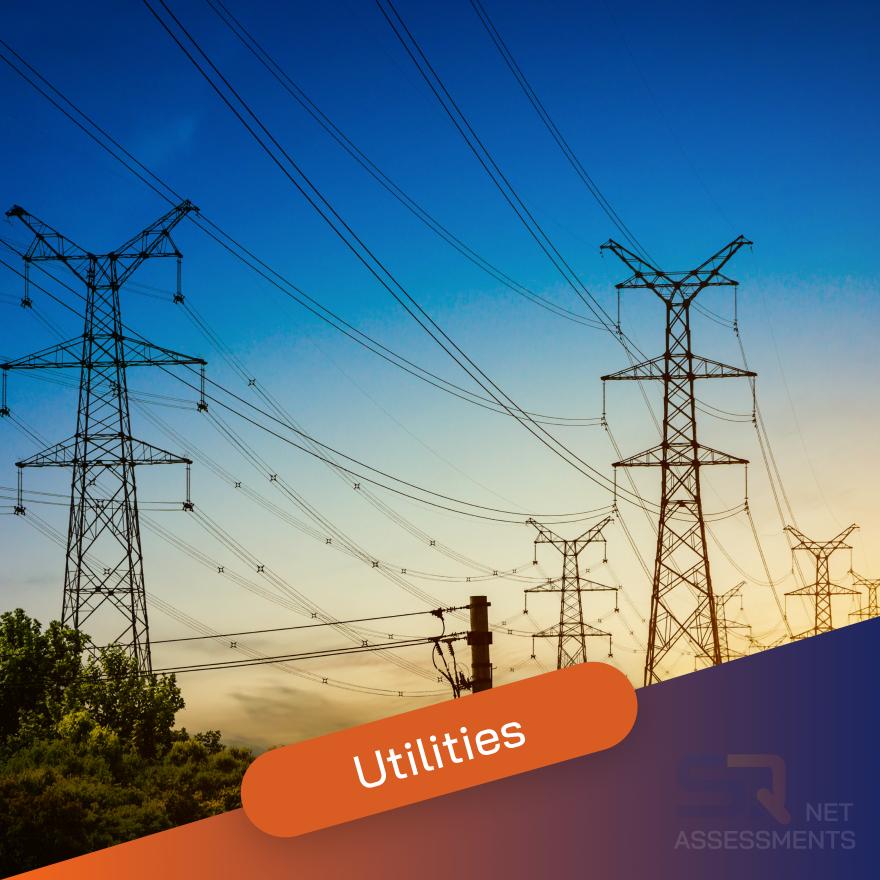
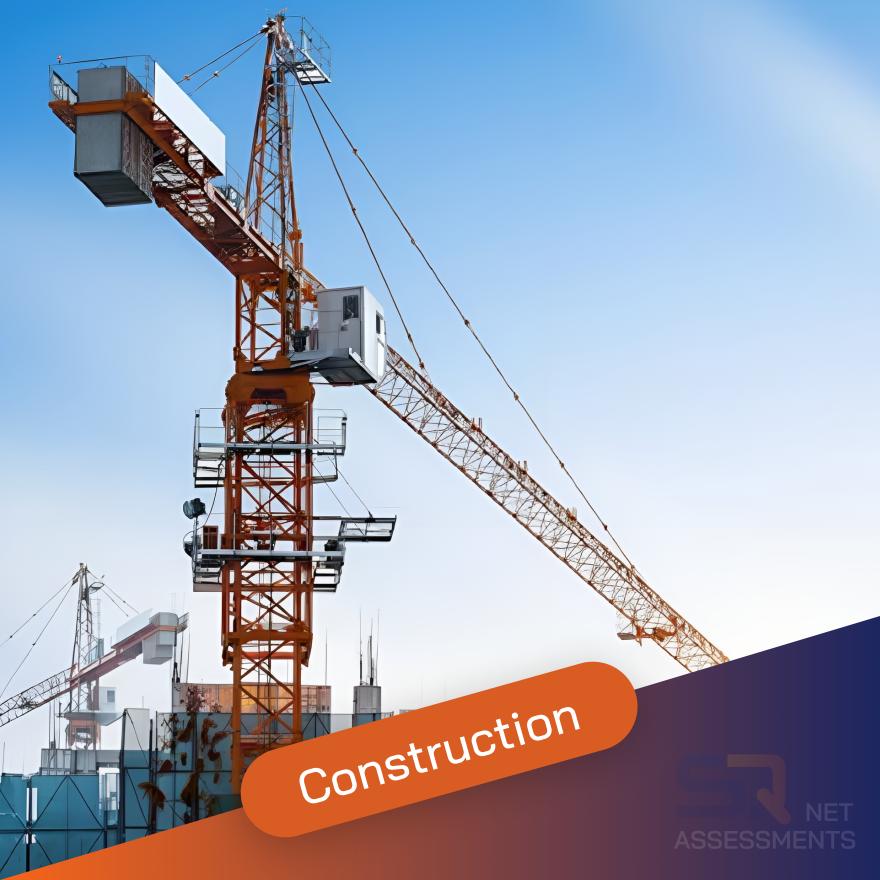
Industries We Serve






Your Global Partner in Certification & Assurance

From independent auditing, certification, and training to technical advisory services,
our innovative end-to-end solutions help our clients to make sure they’re shaping their own future.
Quick Links
Resources
- Privacy Policy
- Terms & Conditions
- Cookie Policy
- About Us
- Contact Us
© 2025. All Rights Reserved. SQNet Assessments Pvt. Ltd.