
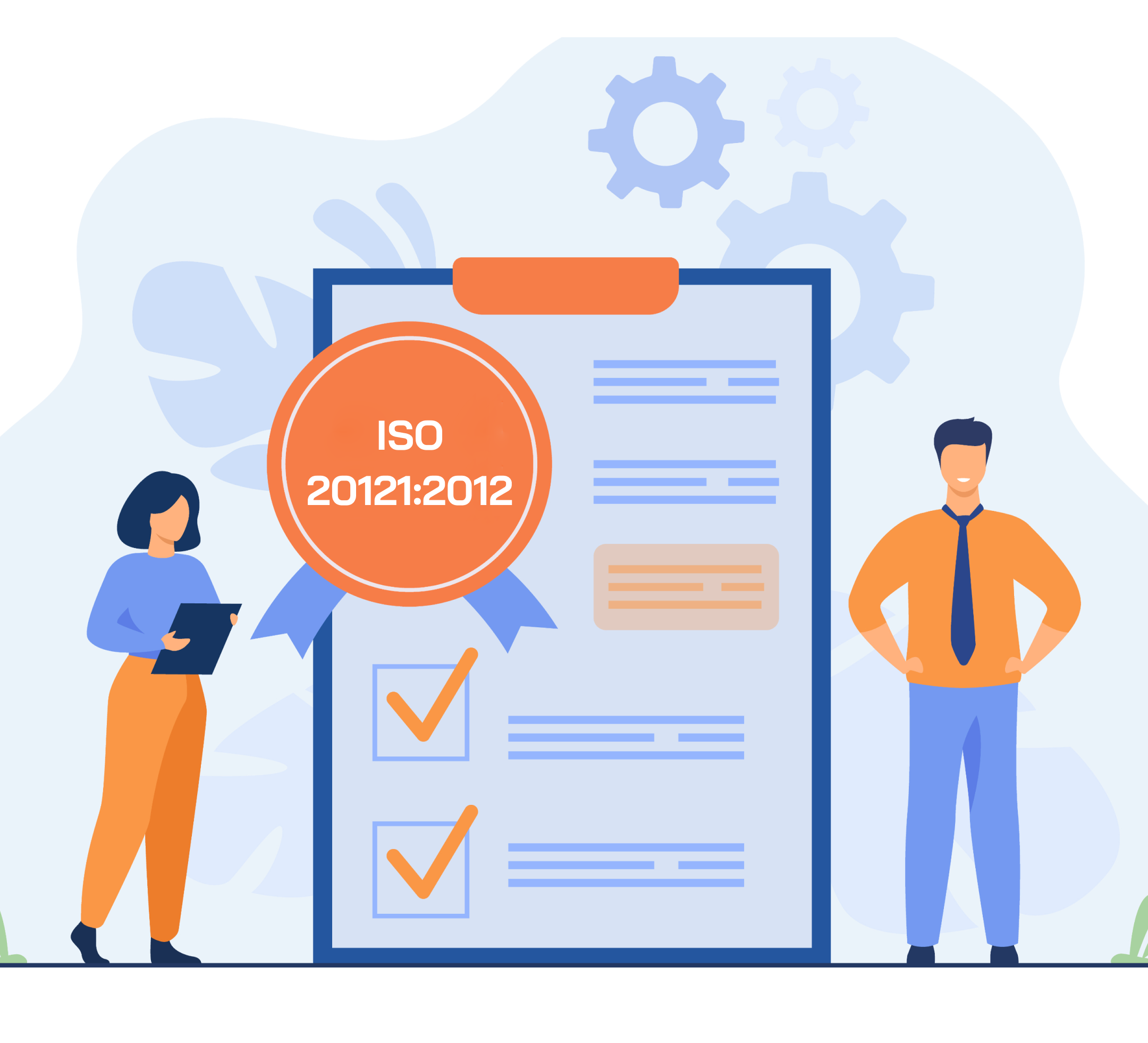
ISO 20121:2012
Event Sustainability Management Systems (ESMS)
SQNet Assessments, as an independent certification body, provides impartial ISO 20121:2012 audit and certification services, enabling event organizers and related organizations to demonstrate their commitment to sustainable event management.
ISO 20121:2012 – Event Sustainability Management Systems (ESMS)
Events of all sizes—conferences, exhibitions, festivals, sports events, and cultural programs—have significant social, economic, and environmental impacts. Managing these impacts responsibly is essential for ensuring long-term sustainability and stakeholder confidence. ISO 20121:2012 is the internationally recognized standard that specifies requirements for establishing, implementing, maintaining, and continually improving an Event Sustainability Management System (ESMS).
Understanding ISO 20121:2012
ISO 20121:2012 applies to any organization involved in the planning, delivery, and management of events, regardless of size, location, or type. This includes event organizers, venues, suppliers, sponsors, and service providers supporting event operations.
The standard provides a structured framework to manage sustainability impacts related to environmental protection, social responsibility, and economic performance throughout the event lifecycle.
Purpose of ISO 20121 Certification
Certification to ISO 20121:2012 demonstrates that an organization has implemented an effective ESMS to identify, manage, and reduce the negative impacts of events while enhancing positive outcomes. It provides independent assurance that sustainability objectives are integrated into event planning and operations.
ISO 20121 certification enhances transparency, improves stakeholder trust, and supports compliance with sustainability expectations from clients, regulators, sponsors, and communities.
Apply for Certification
Connect with Our Certification Experts
Key Principles of Event Sustainability Management
ISO 20121:2012 is based on key sustainability principles that guide responsible event management:
Inclusivity – Engaging stakeholders and respecting diversity
Integrity – Ethical and transparent decision-making
Stewardship – Responsible use of resources and protection of the environment
Transparency – Clear communication of sustainability commitments and performance
Accountability – Measuring and reporting sustainability outcomes
Continual Improvement – Enhancing sustainability performance over time
These principles ensure that sustainability is embedded across event activities.
Key Elements of an Event Sustainability Management System
ISO 20121:2012 requires organizations to establish and maintain an ESMS that includes the following key elements:
Event sustainability policy and objectives
Understanding the context of the organization and event
Identification of sustainability issues and impacts
Stakeholder engagement and communication
Planning and operational controls for sustainability
Procurement and supplier management
ISO 20121 Certification Process
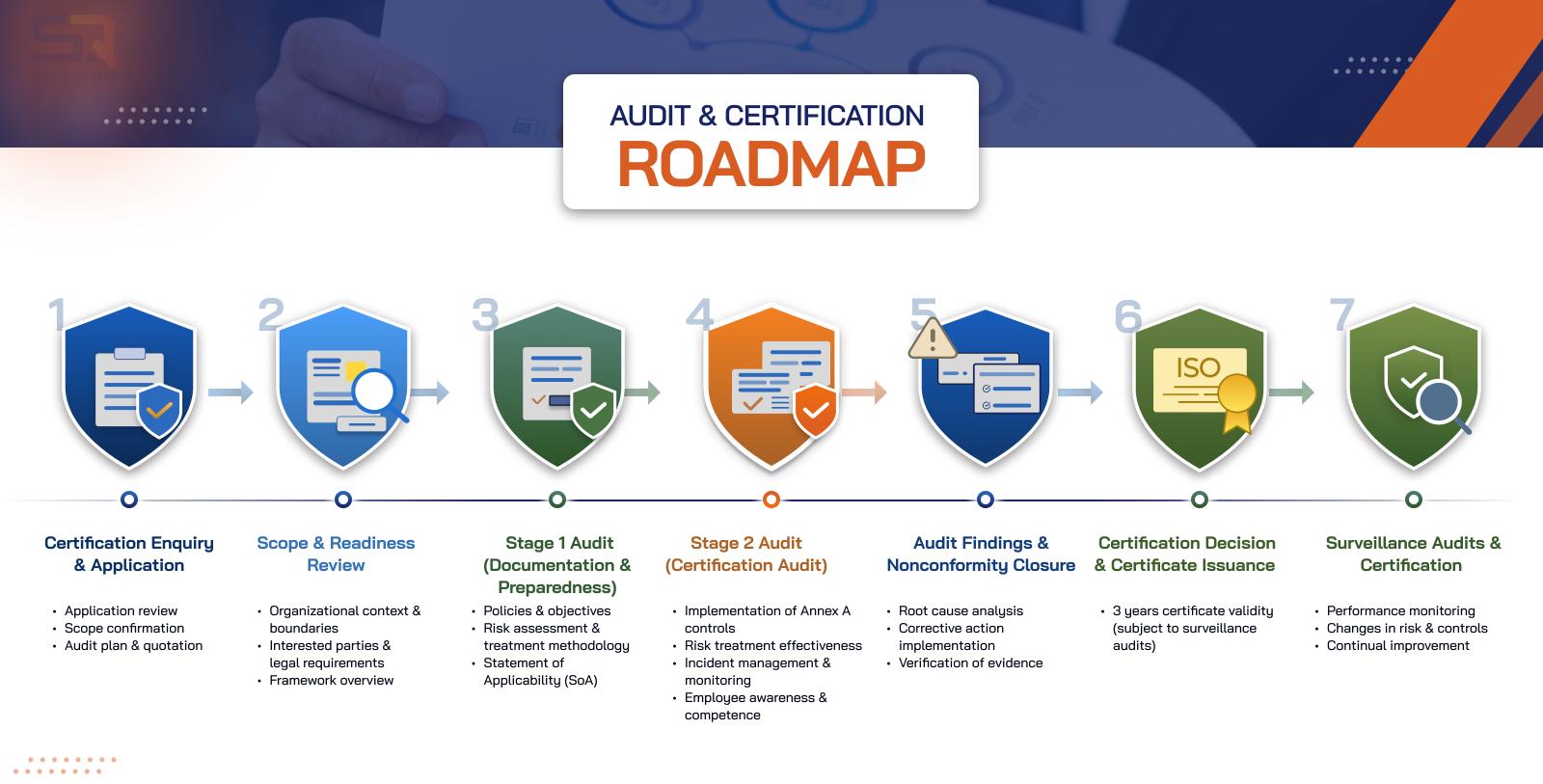
The ISO 20121 certification process conducted by SQNet Assessments follows internationally accepted certification practices to ensure impartial and objective evaluation.
Application & Scope Definition
The certification process begins with an application, during which the scope of the ESMS is defined. This includes identifying event types, locations, activities, and supporting services covered under certification.
Audit & Evaluation
Certification audits are conducted in two stages:
Stage 1 Audit – Reviews ESMS documentation, sustainability planning, and organizational readiness
Stage 2 Audit – Evaluates effective implementation of sustainability controls and event operations
Audits assess sustainability performance, stakeholder engagement, supplier controls, and impact management.
Certification Decision
Following successful audit completion and closure of any identified nonconformities, SQNet Assessments conducts an independent certification decision review before issuing the ISO 20121:2012 certificate.

Certification Validity & Surveillance Audits
ISO 20121:2012 certification is valid for three years, subject to annual surveillance audits. Surveillance audits ensure continued conformity, effectiveness of the ESMS, and continual improvement in sustainability performance.
Key Benefits of ISO 20121
- Reduced environmental impact of events
- Improved social responsibility and inclusivity
- Enhanced reputation and stakeholder trust
- Improved resource efficiency and cost control
- Stronger supplier and partner engagement
Key Changes in ISO 20121
- Alignment with the latest ISO management system structure
- Simplified and modernized Annex A controls
- Better integration with risk management and business objectives
- Enhanced focus on cloud security, threat intelligence, and data protection
Frequently Asked Questions
Certification is an independent verification process that confirms an organization’s management system, product, or service complies with applicable international standards. It enhances credibility, builds customer trust, and demonstrates commitment to quality, safety, and compliance.
Certification is applicable to organizations of all sizes and sectors, including manufacturing, service, IT, healthcare, construction, education, and public sector organizations, subject to the applicable standard and scope.
SQNet Assessments provides certification services for various international management system standards, including quality, environmental, occupational health & safety, information security, business continuity, and other applicable ISO and sector-specific standards.
The certification timeline depends on the organization’s size, scope, complexity, and readiness level. Typically, the process may take a few weeks to a few months from application to certificate issuance.
Most management system certifications are valid for three years, subject to successful completion of annual surveillance audits.
Stage 1 audit reviews documentation and readiness for certification.
Stage 2 audit evaluates effective implementation of the management system.
You can apply through the SQNet Assessments website or contact the team directly.