
ISO 28001:2007
Supply Chain Security Management
SQNet Assessments, as an independent certification body, offers impartial ISO 28001:2007 audit and certification services, enabling organizations to demonstrate robust supply chain security controls and compliance with international security best practices.
ISO 28001:2007 – Supply Chain Security Management
In today’s interconnected global economy, supply chains are exposed to a wide range of security risks, including theft, tampering, terrorism, cyber threats, smuggling, and disruptions caused by geopolitical or natural events. ISO 28001:2007 provides a structured framework for implementing supply chain security management systems that help organizations protect goods, information, and logistics processes throughout the supply chain.
Understanding ISO 28001:2007
ISO 28001:2007 specifies requirements and guidance for establishing, implementing, and maintaining security management systems for the supply chain. The standard focuses on identifying security risks and applying appropriate controls to ensure the secure movement, storage, and handling of goods from origin to final destination.
Purpose of ISO 28001 Certification
Certification to ISO 28001:2007 demonstrates that an organization has implemented a systematic approach to managing supply chain security risks. It confirms that security threats are identified, assessed, and controlled in a structured and consistent manner.
ISO 28001 certification enhances confidence among customers, business partners, customs authorities, insurers, and regulators by providing independent assurance of an organization’s commitment to supply chain security and risk management.
Apply for Certification
Connect with Our Certification Experts
Key Elements of Supply Chain Security Management
ISO 28001:2007 emphasizes a risk-based approach to supply chain security. Key elements assessed during certification include:
Supply chain security policy and objectives
Identification of security risks and threats
Risk assessment and risk treatment planning
Physical security controls for facilities and transport
Access control and personnel security
Cargo handling, storage, and transportation security
Incident management and response procedures
Monitoring, measurement, and continual improvement
These elements help organizations prevent, detect, and respond to security incidents that could disrupt supply chain operations.
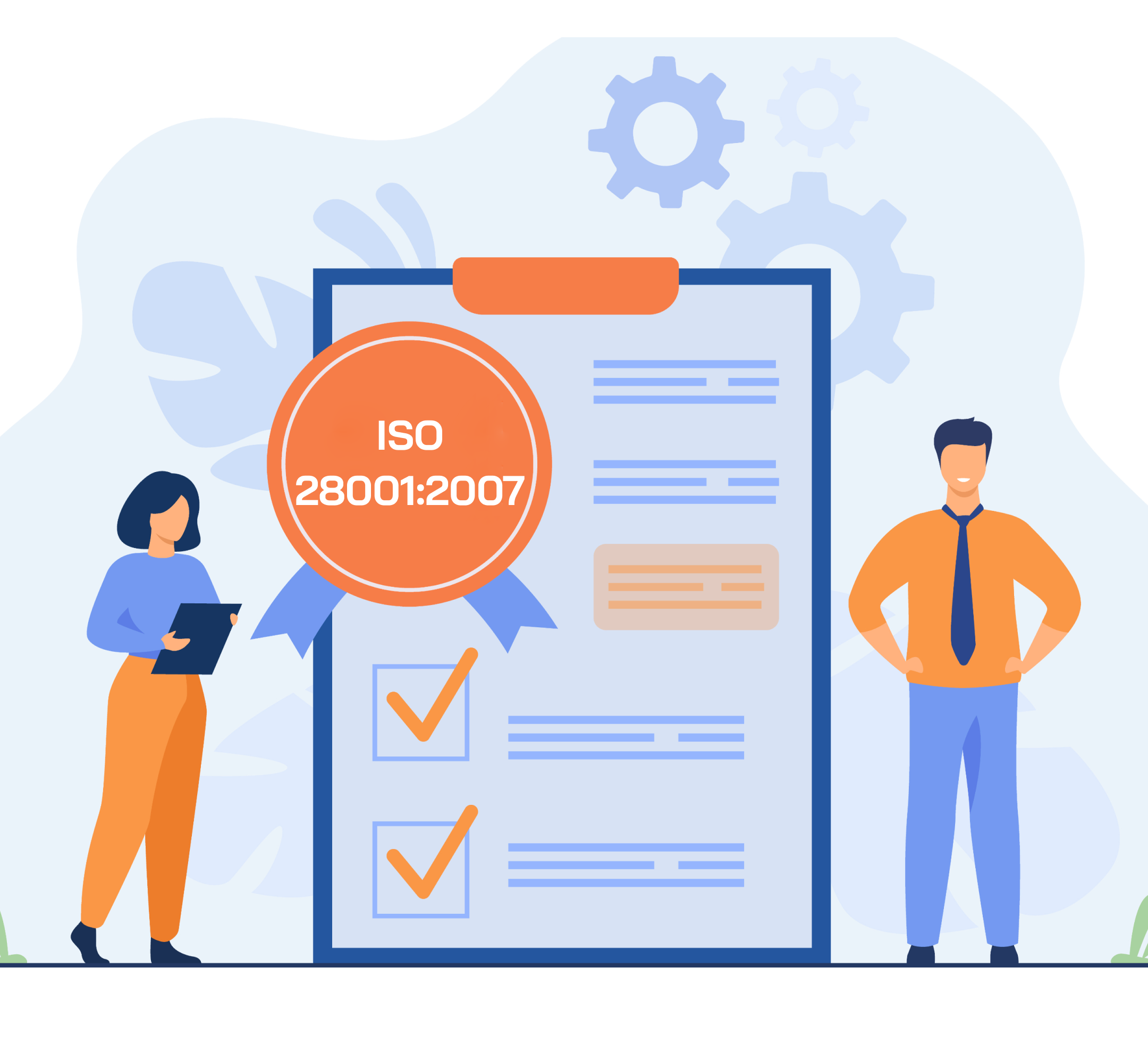
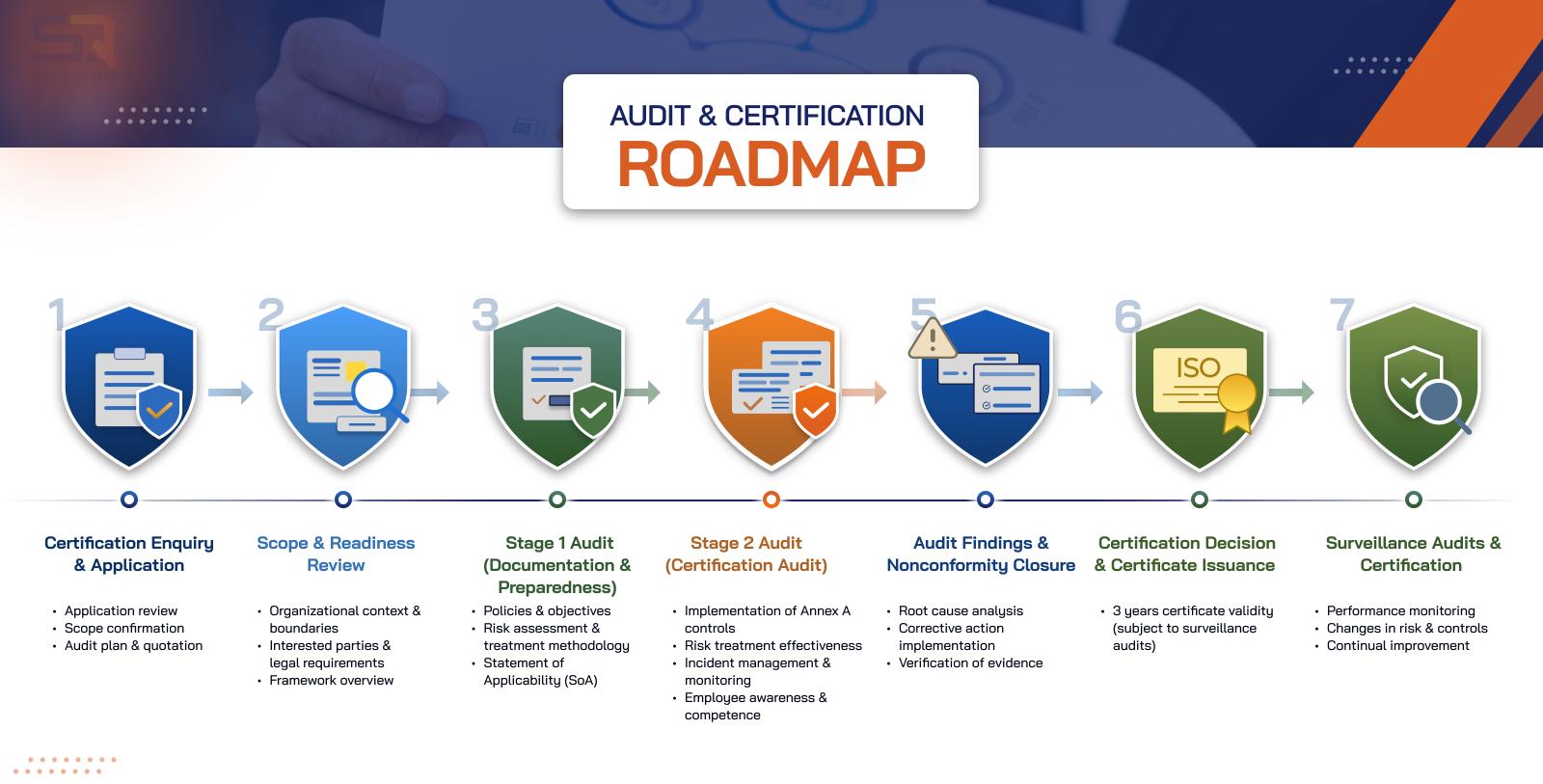
ISO 28001 Certification Process
he ISO 28001 certification process conducted by SQNet Assessments follows internationally accepted certification principles to ensure impartial and objective evaluation.
Application & Scope Definition
The certification process begins with an application, during which the scope of supply chain security management is defined. This includes identification of supply chain activities, locations, transportation modes, and interfaces with suppliers and partners.
Audit & Evaluation
Certification audits evaluate conformity with ISO 28001:2007 requirements, focusing on both documentation and operational implementation. Auditors assess how security risks are identified and managed across the supply chain, including coordination with external partners where applicable.
Certification Decision
After successful completion of the audit and closure of any identified nonconformities, SQNet Assessments conducts an independent certification decision review prior to issuing the ISO 28001:2007 certificate.
Certification Validity & Surveillance Audits
ISO 28001:2007 certification is typically valid for three years, subject to annual surveillance audits. Surveillance audits ensure that supply chain security controls remain effective, risks are reassessed, and improvements are implemented as conditions change.
Relationship with Other Standards
ISO 28001:2007 can be effectively integrated with other management system standards, such as:
ISO 28000 (Security Management Systems for the Supply Chain)
ISO 22301 (Business Continuity Management)
ISO/IEC 27001 (Information Security Management)
ISO 9001 (Quality Management)
Integration helps organizations strengthen overall risk management and operational resilience.
Key Benefits of ISO 28001
- Improved protection of goods and assets
- Reduced risk of theft, tampering, and disruptions
- Enhanced trust among supply chain partners
- Support for customs and regulatory requirements
- Improves internal security controls and risk management processes
Key Changes in ISO/IEC 27001:2022
- Alignment with the latest ISO management system structure
- Simplified and modernized Annex A controls
- Better integration with risk management and business objectives
- Enhanced focus on cloud security, threat intelligence, and data protection
Frequently Asked Questions
Certification is an independent verification process that confirms an organization’s management system, product, or service complies with applicable international standards. It enhances credibility, builds customer trust, and demonstrates commitment to quality, safety, and compliance.
Certification is applicable to organizations of all sizes and sectors, including manufacturing, service, IT, healthcare, construction, education, and public sector organizations, subject to the applicable standard and scope.
SQNet Assessments provides certification services for various international management system standards, including quality, environmental, occupational health & safety, information security, business continuity, and other applicable ISO and sector-specific standards.
The certification timeline depends on the organization’s size, scope, complexity, and readiness level. Typically, the process may take a few weeks to a few months from application to certificate issuance.
Most management system certifications are valid for three years, subject to successful completion of annual surveillance audits.
Stage 1 audit reviews documentation and readiness for certification.
Stage 2 audit evaluates effective implementation of the management system.
You can apply through the SQNet Assessments website or contact the team directly.